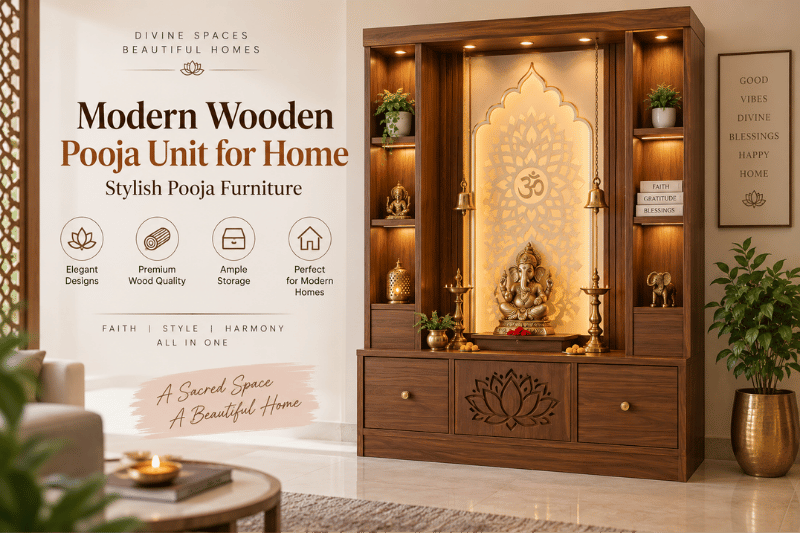
Modern Wooden Pooja Unit for Home: Stylish, Functional and Timeless Ideas
A well-designed pooja space can bring warmth, calmness, and character to a home while complementing the surrounding interiors. If you are exploring ideas on Instagram for a beautiful prayer corner, a Modern Wooden Pooja Unit for Home can provide an elegant combination of traditional character and contemporary furniture design. At mkfurniture, the focus is on creating furniture solutions that balance appearance, functionality, proportion, and everyday usability. For homeowners looking for thoughtfully designed wooden furniture, mkfunriture offers ideas that can be adapted to different room sizes, interior themes, and lifestyle requirements. You can explore more furniture solutions through mkfurniture.
Understanding the Modern Pooja Space
A pooja area is more than another piece of furniture. It is often one of the most meaningful corners of an Indian home. Traditionally, prayer spaces were created inside dedicated rooms or large wooden structures featuring elaborate carvings, domes, pillars, arches, and decorative panels. Modern homes, however, frequently have different spatial requirements.
Apartments may have limited floor space. Open-plan living rooms may need furniture that integrates naturally with the overall interior. Bedrooms, hallways, dining areas, and entrance zones may also offer opportunities for a compact prayer corner.
This is where contemporary wooden pooja furniture becomes useful. The design can retain familiar cultural elements while using clean lines, practical storage, carefully selected finishes, and space-conscious proportions.
A modern pooja unit does not necessarily need to look extremely decorative. It can be simple, elegant, and understated while still creating a distinct spiritual area.
Why Wood Works Well for Pooja Furniture
Wood has traditionally been associated with Indian furniture craftsmanship. Its natural grain, warmth, texture, and ability to accept different finishes make it particularly suitable for prayer furniture.
Wood can also be shaped into numerous architectural details. Depending on the desired appearance, a unit may include:
- Carved borders
- Decorative arches
- Jaali panels
- Fluted columns
- Raised platforms
- Shelves
- Drawers
- Cabinets
- Back panels
- Decorative crowns
- Small ledges
- Framed niches
Contemporary manufacturing techniques also allow traditional details to be simplified. Instead of covering an entire unit with elaborate carving, designers can use one or two decorative elements as visual highlights.
The result can feel traditional without making the room appear old-fashioned.
Choosing the Right Size
One of the most important considerations when planning a pooja unit is proportion. For homeowners with limited space, a Modern Wooden Pooja Unit for Home can be planned with compact dimensions while still providing enough room for essential prayer accessories.
A unit that is too large can overwhelm a small room. A unit that is too small may not provide sufficient space for idols, lamps, incense holders, prayer books, flowers, and other accessories.
Before selecting furniture, measure the available wall width, floor area, ceiling height, and surrounding furniture.
Also consider the opening of doors, movement around the unit, electrical points, windows, and natural light.
For compact homes, vertical designs can make effective use of wall height. A narrower structure with shelves arranged vertically can provide storage without requiring a large footprint.
In larger homes, a wider unit can become an architectural feature of the room.
Wall-Mounted Pooja Units for Apartments
Wall-mounted designs are particularly useful where floor space is limited.
A wall-mounted unit can be installed above a console, cabinet, or dedicated base while leaving the floor visually open. This can make a small room feel less crowded.
The design can include a framed back panel with a central niche for idols. Shelves can be positioned on either side for accessories.
Another approach is to use a compact wall-mounted cabinet with doors. When closed, the furniture can resemble a decorative wall feature. When opened, it reveals the prayer space.
This style works especially well in contemporary living rooms where homeowners want the pooja area to blend into the interior instead of appearing like a completely separate structure.
Corner Pooja Furniture
Corners are often underused areas in homes.
A carefully planned corner unit can transform an otherwise empty area into a dedicated prayer space. Corner designs may use L-shaped structures, angled shelves, or compact vertical frames.
The main advantage is efficient space utilization.
A corner unit can also create visual separation without requiring a full partition. This makes it suitable for open-plan homes.
For example, a living room corner near a window may accommodate a small wooden prayer structure with a back panel, storage drawer, and overhead decorative element.
The surrounding wall can remain relatively simple so that the prayer furniture becomes the visual focus.
Floating Designs and Minimal Interiors
Minimalist interiors generally benefit from furniture with clean geometry.
A floating pooja cabinet can provide a contemporary appearance while keeping the floor clear. This design may feature a simple rectangular frame, a central prayer niche, and concealed storage.
Instead of elaborate carvings, the design may use:
- Vertical grooves
- Subtle borders
- Wood grain
- Warm lighting
- Simple arches
- Geometric jaali
- Natural finishes
The overall effect can be sophisticated and calm.
For homeowners who prefer uncluttered interiors, a minimalist Modern Wooden Pooja Unit for Home can become part of the architecture rather than looking like an independent decorative object.
Traditional Details in Contemporary Furniture
Modern furniture does not have to eliminate traditional Indian design.
Traditional elements can be selectively incorporated into contemporary structures.
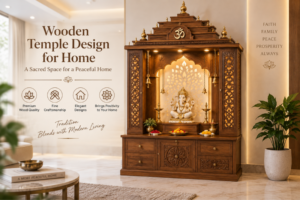
For example, a simple wooden frame can be enhanced with a small carved Om symbol, lotus pattern, bell motif, floral border, or traditional arch.
Jaali work can also be used behind the idol area. Depending on the pattern, it can create depth while allowing light to pass through.
The key is proportion. Too many decorative elements can make a compact unit look visually heavy. Carefully selected details can provide cultural identity without overwhelming the room.
Pooja Units with Storage
Storage is one of the most practical features that can be incorporated into prayer furniture. A well-planned Modern Wooden Pooja Unit for Home can combine the prayer area with dedicated storage for everyday and seasonal accessories.
A prayer area may need to hold:
- Incense sticks
- Camphor
- Cotton wicks
- Prayer books
- Matchboxes
- Small lamps
- Oil containers
- Flowers
- Decorative items
- Cleaning supplies
- Festival accessories
Open shelves are useful for frequently used items, while drawers and cabinets can hide smaller objects.
Concealed storage is particularly helpful in modern homes because it keeps the prayer area visually organized.
A designer can divide storage according to use. Daily-use accessories can remain easily accessible, while occasional festival decorations can be stored in deeper compartments.
Open Versus Closed Pooja Units
Both open and closed furniture styles have advantages.
An open unit provides immediate visibility and easy access. It also makes the prayer area feel more open.
A closed unit can offer a cleaner appearance when the space is part of a living room or another multifunctional area. Doors can protect the interior from dust and visually separate the prayer area from the rest of the room.
Glass doors are another possibility. They provide protection while allowing the interior to remain visible.
The choice depends on the room design, maintenance preferences, available space, and personal style.
Choosing the Right Finish
The finish of wooden furniture significantly influences how it interacts with the rest of the room.
Natural wood finishes can highlight grain and provide warmth. Darker finishes can create a traditional and rich appearance, while lighter finishes may suit Scandinavian, contemporary, or minimalist interiors.
Popular approaches include:
Natural Finish
A natural finish emphasizes the character of the wood and works well with warm interiors.
Medium Wood Finish
Medium tones can balance traditional and modern aesthetics.
Dark Finish
Dark wood can create a formal and luxurious appearance.
Light Finish
Light-colored wood can make a compact space feel visually lighter.
Painted or Two-Tone Finish
Two-tone furniture can combine wood with neutral painted surfaces for a contemporary appearance.
The finish should ideally coordinate with nearby furniture, flooring, doors, wall colors, and decorative elements.
Lighting for a Wooden Pooja Area
Lighting plays an important role in making the prayer area visually comfortable.
Warm lighting is often suitable because it creates a calm and welcoming atmosphere.
LED strips can be concealed behind a back panel, beneath shelves, or around a decorative frame.
Small spotlights can highlight the central niche.
Pendant-style decorative lighting may work in larger spaces, while compact recessed lighting is better suited to smaller units.
Electrical planning should be completed before installation. Concealed wiring can prevent loose cables from distracting from the furniture.
The lighting should also avoid excessive heat near wooden surfaces.
Designing the Back Panel
The back panel is one of the strongest visual elements of a pooja unit.
A plain wood panel provides a minimalist appearance.
A carved panel creates a traditional effect.
A jaali panel introduces pattern and light.
A fluted panel adds contemporary texture.
A decorative arch can create an architectural appearance.
The back panel can also include a small symbolic motif.
For modern interiors, simple patterns generally work better than overly complex ornamentation.
Using Jaali Work
Jaali is a traditional decorative technique that can be adapted for contemporary furniture.
Instead of using dense patterns throughout the unit, a designer can use jaali selectively on side panels or cabinet doors.
This creates visual depth without making the furniture too heavy.
Geometric jaali patterns can work particularly well with contemporary interiors, while floral patterns can provide a more traditional appearance.
Jaali can also improve visual airflow and create interesting shadow patterns when paired with warm lighting.
Integrating the Unit with Living Room Furniture
When a prayer unit is placed in a living room, coordination becomes important.
The furniture should complement nearby sofas, television units, display cabinets, coffee tables, and storage furniture.
For example, if the living room uses warm walnut-toned furniture, a similar wood tone can help the prayer area feel integrated.
If the room has minimalist furniture, a heavily carved temple may appear visually disconnected.
A simple frame with one traditional decorative feature may provide a better balance.
The goal is not necessarily to make every piece identical. Instead, the materials, tones, proportions, and design language should feel compatible.
Pooja Units for Small Homes
Small homes require careful planning.
A compact prayer unit can be designed with a narrow width and increased vertical storage.
Instead of creating a deep cabinet, designers can use shallow shelves and a framed central niche.
A foldable or door-based structure can also save visual space.
Another possibility is a multifunctional cabinet where the upper portion contains the prayer area and the lower section provides storage.
This approach allows homeowners to maintain a dedicated prayer space without sacrificing valuable floor area.
Designing for Larger Homes
Larger homes offer more flexibility.
A spacious living room, hallway, family room, or dedicated prayer room can accommodate a wider wooden structure.
Larger furniture can include multiple levels, side cabinets, drawers, decorative pillars, and a prominent overhead crown.
A full-height design can also visually connect the floor and ceiling.
In a dedicated prayer room, matching wooden wall panels and storage cabinets can create a coordinated environment.
However, even in large spaces, the design should maintain practical proportions.
Custom Furniture for Different Room Layouts
Ready-made furniture can be convenient, but every home has unique dimensions.
Custom furniture can be planned around:
- Wall width
- Ceiling height
- Existing furniture
- Electrical points
- Storage requirements
- Door positions
- Windows
- Interior colors
- Family requirements
A customized Modern Wooden Pooja Unit for Home can therefore be designed around the actual architecture instead of forcing the room to accommodate a standard size.
Customization can also help homeowners select specific wood tones, hardware, decorative details, shelves, drawers, and cabinet arrangements.
Material Selection
The choice of material affects durability, appearance, maintenance, and cost.
Solid wood is valued for its natural character and strength.
Engineered wood can provide consistency and flexibility for certain furniture applications.
Plywood-based construction can also be suitable when properly designed and finished.
The important point is to consider the complete construction rather than judging furniture only by its surface appearance.
Ask about the core material, edge treatment, hardware, joinery, finish, and construction quality.
Craftsmanship Matters
A pooja unit contains multiple details that require careful execution.
Edges should be clean.
Doors should align properly.
Drawers should operate smoothly.
Shelves should be securely supported.
Decorative elements should be proportionate.
Finishing should be even.
Joints should be appropriately constructed.
Good craftsmanship is especially important for furniture with carving, jaali, arches, or multiple storage components.
For homeowners working with mkfunriture, discussing dimensions and design preferences in advance can help ensure that the final furniture suits the intended room.
Planning the Installation
Installation should be considered during the design stage.
Wall-mounted units need suitable wall support.
Floor-standing furniture requires a stable base.
Electrical points should be positioned appropriately for lighting.
The surrounding space should remain accessible for cleaning.
If the unit includes doors, there should be enough clearance for comfortable operation.
Installation planning can prevent last-minute modifications.
Safety Around Lamps and Diyas
Traditional lamps and diyas are an important part of many prayer spaces, but open flames require care.
Wooden furniture should be designed with sufficient separation between flames and surrounding surfaces.
A stable metal or stone diya platform can provide an additional protective surface.
Oil and ghee should be handled carefully to prevent spills.
Lighting fixtures and wiring should be professionally installed.
The prayer area should never be left unattended when an open flame is burning.
Maintaining Wooden Pooja Furniture
Regular maintenance can help preserve the appearance of wooden furniture.
Dust the surface using a soft, dry or slightly damp cloth according to the finish manufacturer’s recommendations.
Avoid excessive water.
Clean oil or ghee spills promptly.
Do not use harsh chemicals unless the finish specifically allows them.
Keep the unit away from excessive moisture when possible.
Inspect hardware occasionally.
If the furniture includes carved details or jaali, clean them gently to prevent dust buildup.
Consistent maintenance is generally easier than attempting to restore neglected furniture later.
Creating a Calm Visual Environment
A prayer space should not feel overcrowded.
Even when the unit provides storage, every shelf does not need to be filled.
Keep the central area focused.
Use a limited number of decorative elements.
Allow some visual breathing room around the idols and prayer accessories.
Warm lighting, natural wood texture, and balanced proportions can help create a peaceful atmosphere.
The design should support the purpose of the space rather than compete with it.
Modern Wooden Pooja Unit for Home: Customization, Styling and Buying Guide
The right prayer furniture should combine cultural significance with the practical needs of contemporary living. A thoughtfully planned Modern Wooden Pooja Unit for Home can create a dedicated prayer area while fitting naturally into the architecture and furniture arrangement of an apartment, independent house, villa, or office residence. Beyond appearance, homeowners should consider proportions, storage, material quality, lighting, maintenance, craftsmanship, and future requirements before finalizing a design.
Contemporary Pooja Furniture for Modern Interiors
Modern homes often feature clean walls, neutral colors, open layouts, and multifunctional furniture. A prayer unit placed within such an environment should complement these characteristics.
Instead of relying entirely on traditional ornamentation, contemporary designs can use simple geometric forms and introduce cultural details through carefully selected elements.
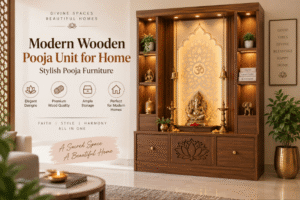
A rectangular wooden frame with a decorative central niche can create a refined appearance. Fluted surfaces can provide texture, while a small carved motif can establish a traditional connection.
This combination allows the prayer area to feel intentional without making the room look excessively decorated.
Balancing Tradition and Modern Design
Traditional Indian furniture is known for craftsmanship, carving, symbolic patterns, arches, columns, and decorative proportions. Modern interiors often prefer simplicity.
These two approaches can be combined successfully.
For example, a contemporary cabinet can feature a traditional arch around the main prayer niche. A minimalist wooden frame can include a small lotus carving. A plain door can use a subtle jaali pattern.
The objective is not to reproduce every traditional element. Instead, select details that have visual and cultural importance.
This approach can make the furniture feel appropriate in both traditional and contemporary homes.
Floating Prayer Units
Floating furniture can make a room appear more spacious because it leaves part of the floor visible.
A floating prayer cabinet can be attached to a suitable wall and designed with a compact depth. The central area can hold idols, while the lower portion may contain a drawer or concealed cabinet.
This arrangement works well in apartments where every square foot matters.
Before installing a floating structure, the wall’s strength and fixing requirements should be evaluated. Proper installation is important for long-term stability.
Full-Height Designs
Homes with tall ceilings can benefit from vertical furniture.
A full-height structure can create a strong architectural presence while offering additional storage.
The upper section may include decorative detailing, while the central portion contains the prayer niche. Lower cabinets can provide concealed storage.
A full-height design can also visually frame the prayer area and make an otherwise plain wall more interesting.
However, the design should remain proportional. Excessive depth or heavy ornamentation can make the room feel crowded.
Sliding Door Designs
Sliding doors are useful when there is limited space in front of the unit.
Traditional swing doors require clearance, while sliding panels move horizontally within the furniture structure.
Wooden sliding doors can feature simple grooves, jaali patterns, decorative carving, or glass inserts.
A closed sliding structure can maintain a clean appearance when the prayer space is not in use.
Hardware quality is important because sliding mechanisms are used repeatedly.
Glass and Wood Combinations
Wood and glass can create a sophisticated furniture combination.
Glass doors allow the prayer area to remain visible while reducing exposure to dust.
Clear glass offers maximum visibility. Textured or frosted glass can provide a softer appearance.
Wooden framing can provide warmth and structure.
This style can work especially well in living rooms where the prayer unit is positioned alongside display cabinets, bookshelves, or other contemporary furniture.
Decorative Back Panels
The back panel often determines the character of the entire prayer area.
A simple wood panel can emphasize minimalism.
A carved panel can create a traditional appearance.
A fluted panel can add contemporary texture.
A jaali panel can introduce pattern and light.
A layered panel can create visual depth.
Back panels can also provide a suitable surface for concealed lighting.
The best option depends on the overall interior style and the desired visual emphasis.
Jaali as a Contemporary Detail
Jaali work has a long association with Indian architectural and furniture traditions.
Modern furniture can reinterpret this feature using geometric patterns, simplified floral designs, or repeated shapes.
A jaali panel can be used on cabinet doors, side panels, or the central background.
When paired with lighting, the openings can create subtle shadows and visual depth.
Jaali should be designed carefully because very dense patterns can make a small furniture piece appear visually busy.
Integrated Storage Solutions
Storage can significantly improve the functionality of prayer furniture.
A practical unit may include a combination of:
- Open shelves
- Small drawers
- Deep drawers
- Closed cabinets
- Side shelves
- Hidden compartments
- Adjustable shelves
Different storage zones can serve different purposes.
Small drawers can hold incense sticks, cotton wicks, matchboxes, and other small accessories.
Closed cabinets can accommodate larger containers and festival materials.
Open shelves can display frequently used objects.
Organizing the storage around actual usage helps prevent unnecessary clutter.
Concealed Compartments
Modern furniture often emphasizes clean surfaces.
Concealed compartments support this appearance by hiding items that are needed but not intended to remain visible.
A lower cabinet can store prayer accessories behind closed doors.
A side panel can include a narrow storage section.
A decorative back panel may conceal a small compartment.
These details can increase functionality without changing the overall appearance of the furniture.
Designing for Daily Use
Furniture should be comfortable to use every day.
The height of the main platform should be appropriate.
Frequently used accessories should remain accessible.
Doors should open easily.
Drawers should not require excessive force.
Shelves should be strong enough for their intended contents.
The design should also leave sufficient room for cleaning.
A beautiful piece that is inconvenient to use may become frustrating over time.
Festival-Friendly Storage
Prayer spaces often become more active during festivals and special occasions.
Additional lamps, decorations, flowers, prayer books, vessels, and other accessories may need temporary storage.
A unit with flexible compartments can accommodate these requirements.
Homeowners can also reserve one cabinet specifically for seasonal items.
This prevents festival accessories from occupying unrelated storage spaces elsewhere in the home.
Pooja Unit as a Room Divider
In open-plan interiors, furniture can perform multiple functions.
A wooden prayer structure can separate the living area from a dining space without creating a solid wall.
Partially open designs are especially effective.
Jaali panels can provide privacy while allowing light to pass through.
Open shelving can display decorative objects on the opposite side.
This makes the furniture both a prayer structure and an interior partition.
Creating a Dedicated Pooja Room
When space permits, a dedicated prayer room offers greater design freedom.
The central wooden structure can become the main focal point.
Matching cabinets can store prayer accessories.
Wall panels can create a coordinated backdrop.
Lighting can be incorporated into the ceiling and furniture.
Floor seating can be arranged around the central area.
A dedicated room should still maintain adequate movement space and ventilation.
Living Room Placement
The living room is one of the most common locations for a compact prayer structure.
The furniture should be positioned so it does not interfere with everyday circulation.
A wall-mounted or shallow floor-standing design may work well.
Matching the wood tone with existing furniture can make the prayer area appear integrated.
The unit does not need to exactly match every other piece. Similar tones, textures, or design details are usually sufficient to create visual harmony.
Dining Area Placement
Some homes have an unused wall or corner near the dining area.
A compact prayer unit can sometimes be integrated into this space when the layout permits.
A cabinet-based structure can provide a visual separation between dining and prayer areas.
The furniture should remain away from areas where food preparation, splashing water, or heavy traffic could cause maintenance problems.
Bedroom Prayer Corners
Some homeowners prefer a small prayer space within a bedroom.
In such cases, compact furniture is generally more appropriate.
A small wall-mounted cabinet, niche, or closed wooden structure can provide the required space without dominating the room.
The design should coordinate with the bedroom furniture.
Neutral finishes and minimal detailing can create a peaceful appearance.
Choosing the Right Color Palette
The finish should complement the room.
Natural wood tones are versatile and can work with warm or neutral interiors.
Light wood can help a compact room appear brighter.
Medium tones provide a balanced traditional and contemporary appearance.
Dark finishes can create a richer, more formal look.
White or neutral painted surfaces can produce a clean modern effect.
Two-tone furniture can combine natural wood with a contrasting neutral finish.
Luxury Design Considerations
Luxury is not only about decorative details.
High-quality craftsmanship, carefully selected materials, durable hardware, precise construction, refined finishing, and thoughtful proportions all contribute to premium furniture.
A sophisticated prayer structure may use a restrained combination of these elements.
For example, a simple wooden frame with a beautifully crafted back panel and integrated lighting may look more elegant than a heavily decorated unit with excessive detailing.
Carving and Decorative Craftsmanship
Carving can add individuality to wooden furniture.
Traditional motifs may include floral patterns, lotus designs, bells, arches, leaves, and symbolic elements.
Carving can be concentrated around the central niche rather than covering the entire structure.
This creates a focal point while keeping the remaining furniture relatively simple.
The quality of carving depends on precision, consistency, and finishing.
Lighting and Ambience
Lighting should support the atmosphere of the prayer space.
Warm illumination can create a softer environment.
Backlighting can highlight the central niche.
Under-shelf lighting can improve visibility.
Small directional lights can emphasize decorative details.
Lighting should be positioned carefully so that it does not create uncomfortable glare.
Concealed wiring also contributes to a cleaner appearance.
Electrical Safety
Electrical connections should be professionally installed.
Avoid loose wires hanging around the prayer furniture.
Switches should be conveniently positioned but should not interfere with the design.
LED fixtures should be appropriately rated for their application.
Open flames should be kept away from electrical components and combustible materials.
A combination of traditional lamps and properly planned electric lighting can create both function and atmosphere.
Selecting Hardware
Hardware is often overlooked during furniture selection.
Cabinet hinges, drawer channels, handles, locks, and sliding mechanisms affect everyday usability.
For contemporary designs, concealed hardware can create a cleaner appearance.
Traditional furniture may benefit from decorative handles or knobs.
Hardware should be selected according to the weight and frequency of use of each component.
Customization Options
Customization allows homeowners to create furniture around their actual requirements.
Possible modifications include:
- Width
- Height
- Depth
- Number of shelves
- Drawer size
- Cabinet configuration
- Door style
- Jaali pattern
- Carving
- Wood tone
- Finish
- Lighting
- Hardware
This flexibility is particularly useful when the available wall does not match standard furniture dimensions.
A customized Modern Wooden Pooja Unit for Home can also be coordinated with other furniture already present in the room.
Working with an Experienced Furniture Maker
Good communication is essential for custom furniture.
Share the room measurements and photographs if available.
Explain how the prayer space will be used.
Discuss storage requirements.
Identify preferred design references.
Confirm the material and finish.
Review the proposed dimensions.
Discuss installation requirements.
Clear planning helps reduce misunderstandings and unnecessary modifications.
Budget Planning
The total cost depends on several factors.
Material is one major consideration.
Size also affects the quantity of material and construction effort.
Carving, jaali work, premium finishing, specialized hardware, lighting, storage, and customization can increase the overall cost.
Instead of establishing a budget based only on appearance, consider what features are genuinely important.
A simpler structure with excellent construction may provide better long-term value than a heavily decorated piece with poor functionality.
Comparing Furniture Quotes
When comparing different options, ensure that the specifications are similar.
Compare:
- Material
- Dimensions
- Finish
- Hardware
- Storage
- Carving
- Lighting
- Installation
- Customization
A lower quote may not represent the same construction quality.
Understanding exactly what is included makes comparisons more meaningful.
Common Design Mistakes
Oversizing the Furniture
A large unit can overwhelm a compact room.
Insufficient Storage
A beautiful structure may become cluttered if there is nowhere to store accessories.
Excessive Decoration
Too many patterns can reduce visual clarity.
Ignoring Existing Furniture
The prayer unit should relate to the surrounding interior.
Poor Lighting
The central prayer area should remain comfortably visible.
Forgetting Maintenance
Choose materials and finishes that can be cared for easily.
Neglecting Safety
Open flames, electrical components, and wooden surfaces require careful planning.
Maintenance Routine
Regular cleaning can help preserve wooden furniture.
Dust surfaces gently.
Use a soft cloth.
Avoid excessive moisture.
Clean oil and other spills promptly.
Follow care instructions for the particular finish.
Clean carved and jaali sections carefully.
Inspect hinges and drawer mechanisms occasionally.
Good maintenance does not have to be complicated when performed regularly.
Protecting Wooden Surfaces
Avoid keeping wet objects directly on wood.
Use suitable trays under oil containers where appropriate.
Prevent unnecessary exposure to direct sunlight.
Maintain reasonable indoor humidity.
Do not use abrasive cleaning materials.
These simple measures can help preserve the furniture’s finish.
Planning for Future Needs
Furniture should not only solve today’s requirements.
Consider whether the family may need additional storage later.
Think about changing decorative preferences.
Consider whether the room may be renovated.
If possible, include adjustable shelves or flexible storage.
A timeless structure with adaptable features can remain useful even when other interior elements change.
Choosing Timeless Design
Trends can change quickly.
A design based entirely on a temporary trend may look dated after several years.
Classic proportions, natural materials, restrained decoration, and functional storage tend to remain useful for longer.
This does not mean the furniture must be traditional.
A simple contemporary design can remain visually relevant because it does not depend heavily on short-lived decorative trends.
How mkfunriture Can Fit into the Planning Process
When homeowners explore furniture ideas, they often need a balance between visual inspiration and practical specifications.
mkfunriture can be considered when developing a furniture concept around room dimensions, design preferences, storage requirements, material choices, and overall interior coordination.
The objective should be to create furniture that looks appropriate in the room and remains useful in everyday life.
Frequently Asked Questions
What style works best for contemporary homes?
Minimalist frames, clean lines, subtle carving, geometric jaali, natural finishes, and concealed storage can work well in contemporary interiors.
Can a prayer unit include both open and closed storage?
Yes. Combining open shelves with drawers and cabinets can provide easy access while keeping less frequently used items hidden.
Are floating designs suitable for small rooms?
They can be. A wall-mounted structure leaves floor space visible and can make a compact room feel less crowded.
How can traditional design be incorporated into modern furniture?
Traditional arches, symbolic motifs, carving, jaali, and decorative borders can be used selectively within a simple contemporary structure.
What should be considered when choosing the size?
Measure the wall, ceiling height, floor area, surrounding furniture, electrical points, doors, windows, and available circulation space.
Is customization worth considering?
Customization can be valuable when standard furniture does not fit the room or when specific storage, material, finish, or design requirements need to be accommodated.
How can the prayer area remain clutter-free?
Use a combination of drawers, cabinets, shelves, and concealed compartments. Keep only frequently used accessories visible.
Final Checklist Before Ordering
Before finalizing the furniture, confirm:
- Exact measurements
- Available floor and wall space
- Desired height
- Maximum depth
- Material
- Finish
- Storage configuration
- Door style
- Hardware
- Lighting
- Traditional details
- Installation requirements
- Maintenance needs
- Budget
- Future storage requirements
A detailed checklist makes the selection process easier and helps ensure that the final furniture meets practical expectations.
Final Thoughts
A thoughtfully designed prayer space can become one of the most distinctive and meaningful areas within a home. Contemporary furniture allows homeowners to preserve traditional values while adapting the physical design to modern lifestyles.
A Modern Wooden Pooja Unit for Home can be compact or expansive, minimalist or decorative, open or enclosed, wall-mounted or floor-standing. The right choice depends on the home’s architecture and the family’s requirements.
The strongest designs are not necessarily the most elaborate. They are the ones that provide an appropriate focal point, useful storage, comfortable access, suitable lighting, durable construction, and visual harmony with the surrounding interiors.
Material selection, craftsmanship, finishing, hardware, installation, and maintenance should all be considered before making a decision. Homeowners should also think beyond photographs and trends and consider how the furniture will function every day.
For a small apartment, a compact wall-mounted structure may be the most practical solution. For a spacious home, a full-height carved design may create a stronger architectural feature. In an open-plan room, a partially open unit can even work as a decorative partition.
The possibilities are extensive because wooden furniture can be adapted to many styles and dimensions.
With careful planning and attention to detail, mkfunriture can help homeowners explore furniture concepts that bring together contemporary aesthetics, traditional inspiration, functionality, and long-term usability. The final goal should always be a prayer space that feels peaceful, organized, beautiful, and naturally connected to the home.