
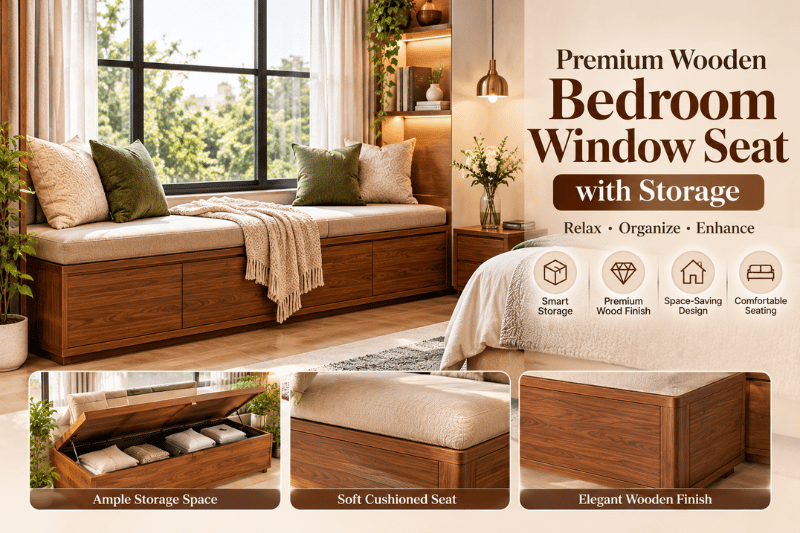
Premium Wooden Bedroom Window Seat with Storage: Design Ideas, Benefits and Buying Guide
Introduction
A well-designed bedroom should offer comfort, practical storage, and a welcoming atmosphere. One furniture feature that can bring all three together is a window seat. Through its Instagram inspiration and furniture collections, mkfurniture shares ideas for creating attractive and functional bedroom interiors. At mkfunriture, the focus is on furniture solutions that combine thoughtful design with everyday usability. Explore more furniture ideas and options on the mkfurniture website.
A window seat can turn an unused area beneath a bedroom window into a comfortable place to sit, read, relax, or enjoy natural light. When designed with built-in storage, it can also provide additional space for keeping blankets, cushions, books, seasonal clothing, and other bedroom essentials. This makes it a useful option for both spacious bedrooms and compact homes.
A Premium Wooden Bedroom Window Seat with Storage can be designed to complement the existing furniture, including wardrobes, beds, dressing tables, and bedside cabinets. The right design can create a coordinated interior while making better use of available floor space.
However, choosing the right window seat involves more than selecting an attractive wooden structure. Buyers should consider dimensions, materials, storage capacity, seating comfort, finishes, window placement, and maintenance requirements. This guide explains the important factors to help homeowners make a practical and informed decision.
What Is a Wooden Bedroom Window Seat?
A wooden bedroom window seat is a built-in or freestanding seating unit positioned near or beneath a window. It provides a dedicated place to sit while making use of an area that may otherwise remain empty. Depending on the design, it can include a cushioned top, drawers, lift-up compartments, open shelves, or a combination of storage features.
Traditional window seats were often simple benches placed along a window wall. Modern furniture designs have developed this idea by incorporating concealed compartments, upholstered seating, decorative panels, and coordinated finishes.
A storage window seat serves two purposes. First, it creates a comfortable seating area where someone can read, relax, talk on the phone, or enjoy the view. Second, it provides additional storage without requiring a separate cabinet or chest of drawers.
The design can be customized according to the width of the window, available wall space, bedroom layout, and the homeowner’s storage requirements. Some units cover the entire width of a window wall, while others are compact benches placed between two walls or beside a large window.
Why Add a Window Seat to a Bedroom?
Bedrooms often contain areas that are not used effectively. The space below a window is one example. Depending on the height and location of the window, this area can be converted into useful seating instead of being left empty.
A window seat can improve the functionality of a bedroom in several ways.
Creates a Dedicated Relaxation Area
A bedroom is not only a place to sleep. Many people also use it for reading, listening to music, working on personal activities, or spending quiet time. A window seat provides a separate place for these activities.
Instead of sitting on the bed throughout the day, residents can use the bench as a comfortable alternative. Adding a suitable cushion and a few decorative pillows can make the seating area more inviting.
Natural light can also make the area pleasant during the daytime. A window seat can become a useful reading corner when paired with a nearby lamp or wall-mounted light.
Makes Use of Unused Space
In many bedrooms, the wall beneath a window does not have a specific function. Placing a storage bench in this area can make the room more practical without taking up unnecessary space elsewhere.
A well-planned unit can fit between existing walls, beneath a wide window, or along a bedroom corner. This is particularly useful in rooms where adding another standalone cupboard would make movement difficult.
Adds Hidden Storage
Storage is an important consideration in bedroom furniture planning. Bedding, cushions, spare pillows, books, and seasonal accessories can take up valuable space in wardrobes and cupboards.
A storage bench can provide an additional compartment for these belongings. The storage area can remain concealed beneath the seating surface, helping the bedroom look organized.
Improves Bedroom Appearance
A thoughtfully designed bench can become an attractive feature of the bedroom. Its wooden finish, upholstery, panel detailing, and proportions can complement the room’s overall interior style.
When the bench matches the bed frame, wardrobe, or dressing table, it creates a coordinated appearance. It can also introduce contrast through a different wood tone or fabric colour.
Benefits of Choosing a Wooden Window Seat
Wood remains a popular material for bedroom furniture because it offers design flexibility and a familiar, warm appearance. A wooden seating unit can suit traditional, contemporary, minimalist, and modern interiors.
Timeless Visual Appeal
Wooden furniture can work with many bedroom colour schemes. Natural wood tones often create a warm atmosphere, while darker finishes can give the room a more formal and sophisticated appearance.
Light finishes are useful for creating a fresh look, particularly in bedrooms with neutral walls and light-coloured bedding. Medium and dark finishes can provide contrast against white, cream, or pastel interiors.
Design Flexibility
Wooden furniture can be manufactured in different shapes, sizes, and styles. Homeowners can select a simple rectangular bench, a panelled design, a unit with decorative moulding, or a contemporary structure with clean lines.
This flexibility makes it easier to coordinate the seat with other bedroom furniture.
Practical Storage Options
A wooden structure can accommodate several storage configurations. Depending on the available space, the unit may include a large lift-up compartment, multiple drawers, open shelves, or separate sections.
The choice should depend on what the homeowner intends to store. Large compartments are suitable for blankets and bedding, while drawers can be useful for smaller items.
Suitable for Coordinated Interiors
A wooden bench can be finished to complement an existing bed, wardrobe, or bedside table. Matching finishes help create a consistent look, while contrasting finishes can make the seating area stand out.
For homeowners planning a complete bedroom makeover, selecting furniture from a coordinated design approach can make the room feel more organized.
Popular Window Seat Designs for Modern Bedrooms
The best design depends on the room’s layout, available space, storage needs, and preferred interior style. Below are several options to consider.
Minimalist Wooden Window Bench
A minimalist bench uses simple lines, a clean structure, and limited decorative detailing. It is suitable for bedrooms where the furniture should look uncluttered.
The seating surface can include a neutral upholstered cushion. Storage may be provided through a lift-up lid or discreet drawers.
This design works particularly well with modern beds, simple wardrobes, and understated bedroom accessories.
Window Seat with Lift-Up Storage
A lift-up storage design uses a hinged seating surface that opens to reveal a compartment underneath. It is useful when homeowners want a large storage area without adding multiple drawers.
The compartment can hold spare bedding, blankets, cushions, or other items that are not needed every day.
The hinge and support mechanism should be selected carefully. A suitable mechanism makes opening and closing easier and helps reduce the risk of the lid falling unexpectedly.
Wooden Window Bench with Drawers
A drawer-based design offers separate storage sections beneath the seating area. This makes it easier to organize belongings and access individual items without opening the entire bench.
Drawers may be arranged in a single row or divided into multiple sections. The design should provide enough clearance for the drawers to open fully.
This option is useful for storing books, small accessories, folded clothing, and other frequently used bedroom items.
Upholstered Window Seat
An upholstered bench combines a wooden frame with a cushioned seating surface. It offers a softer appearance and can improve comfort when the seat is used regularly.
Fabric choices may include cotton blends, linen-style materials, polyester upholstery, or other suitable furnishing fabrics. The right selection depends on appearance, cleaning requirements, durability, and personal preference.
Neutral upholstery can blend easily with different interiors. Patterned or textured fabric can create a stronger decorative feature.
Built-In Window Seating
A built-in window seat is planned according to the exact dimensions of the window wall. It can extend from one side of the wall to the other and may include storage beneath the seating surface.
This design can create a seamless appearance because the unit is planned as part of the bedroom layout. However, measurements should be accurate before manufacturing or installation.
Homeowners should also consider access to windows, curtains, electrical points, and ventilation before choosing a permanent design.
Corner Window Seat
Some bedrooms have corner windows or unused corner spaces near a window. A corner bench can make this area more functional by providing seating along one or two sides.
Depending on the room dimensions, the design may be L-shaped or made from two connected seating sections. Storage can be incorporated below the seat.
A corner unit should not obstruct doors, wardrobes, or normal walking paths.
How to Choose the Right Size
Correct measurements are essential for comfort and appearance. A bench that is too large may restrict movement, while a unit that is too small may look disconnected from the window.
Before choosing a design, measure the available width, depth, and height.
Measure the Available Width
Measure the wall area where the bench will be placed. If the unit is intended to sit directly below the window, check the distance between the side walls or other furniture.
Do not assume that the visible window width is the same as the available furniture width. Window frames, curtains, wall edges, and nearby fittings may affect the usable space.
For a built-in design, accurate measurements are particularly important because the unit may be manufactured to fit a specific opening.
Check the Seating Height
The seating height should allow people to sit comfortably with their feet supported. The final height should account for the wooden structure and any cushion placed on top.
If the bench is too high, sitting down and standing up may become uncomfortable. If it is too low, it may not provide the expected seating experience.
Consider the height of nearby furniture and the window sill as well.
Select a Comfortable Depth
The depth should provide enough room for comfortable seating without projecting too far into the bedroom.
A deeper seat may feel more relaxed, but it can reduce available walking space. A compact room may benefit from a shallower design with carefully selected cushioning.
Leave Enough Walking Space
A window bench should not interfere with movement around the bed or access to wardrobes and drawers. Check the distance between the proposed unit and nearby furniture.
Also consider whether bedroom doors, balcony doors, or cupboard shutters can open fully after installation.
Choosing the Right Wood and Construction
The material and construction quality influence the appearance, stability, maintenance, and expected lifespan of the furniture.
Buyers should understand the material used in the frame, panels, internal storage area, and seating support before making a decision.
Solid Wood
Solid wood is made from natural timber and is commonly used in furniture manufacturing. Different wood species have different colours, grain patterns, weights, and physical characteristics.
The final performance depends on the species, timber quality, seasoning, joinery, finish, and construction method.
Solid wood can be suitable for homeowners who prefer natural grain patterns and a traditional furniture appearance. It may also be selected for customized furniture projects where a specific wood finish is required.
Engineered Wood
Engineered wood products are manufactured by combining wood fibres, particles, or layers using suitable processes. Different types have different properties and applications.
They are used in furniture because they can provide consistent panel dimensions and support a variety of surface finishes.
The quality of the board, thickness, edge treatment, hardware, and assembly all matter. Buyers should ask about the specific material rather than assuming that every engineered wood product has the same performance.
Plywood
Plywood is produced by bonding multiple layers of wood veneer. Its properties depend on the grade, thickness, adhesive, manufacturing quality, and intended application.
It is commonly used in furniture structures and storage units. For a window bench, the appropriate plywood specification should be selected according to the expected load and design.
Check the Internal Structure
The visible finish is only one part of furniture quality. Buyers should also examine the internal frame, support panels, joints, and base.
A seating unit must be designed to support the expected weight of people sitting on it. Storage compartments should also be constructed to hold the intended belongings.
Ask about the support structure, panel thickness, and hardware before finalizing the purchase.
Selecting a Finish That Matches the Bedroom
The finish has a major influence on how the bench looks in the room. It should complement the existing furniture and the overall colour palette.
Natural Wood Finish
A natural wood finish highlights the grain and texture of the material. It is suitable for bedrooms that use warm colours, natural fabrics, and simple decorative elements.
Light Wood Finish
Light finishes can make furniture appear visually lighter. They work well with white walls, beige curtains, pastel bedding, and contemporary interiors.
Dark Wood Finish
Dark finishes can create contrast and add visual depth. They may complement darker bed frames, rich upholstery, and traditional bedroom designs.
Matte Finish
A matte surface offers a subtle appearance without strong reflections. It can suit minimalist and contemporary interiors.
Gloss Finish
A gloss finish creates a reflective surface that can make furniture look more polished. It may require more frequent cleaning because fingerprints and surface marks can be easier to notice.
The finish should be selected according to the material, room lighting, maintenance expectations, and preferred style.
Choosing the Right Cushion for Comfort
A cushion can make a wooden bench more comfortable and visually appealing. Since the seating surface may be used regularly, it is worth considering the cushion’s thickness, firmness, fabric, and construction.
Cushion Thickness
The cushion should provide sufficient support without making the seating height uncomfortable. A very thin cushion may not provide enough comfort, while an excessively thick cushion can change the proportions of the bench.
The final height should be checked after the cushion is included.
Cushion Firmness
The right firmness depends on how the seat will be used. A firmer cushion may provide better support for short sitting periods, while a softer cushion may feel more relaxed for occasional lounging.
However, a cushion should retain its shape and should not compress excessively during regular use.
Fabric Selection
Fabric should suit the bedroom’s design and maintenance requirements. Neutral colours are versatile, while textured materials can add visual interest.
If the bench will be used frequently, choose upholstery that is suitable for regular contact and can be cleaned according to the manufacturer’s care instructions.
Removable Cushion Covers
Removable covers can make maintenance easier. They allow homeowners to clean or replace the fabric without changing the entire furniture unit.
Before purchasing, check whether the cover can be removed and whether it is washable or requires professional cleaning.
Storage Ideas for a Bedroom Window Bench
The storage compartment should be planned around the belongings that will be kept inside it. Organizing the interior properly helps prevent clutter and makes items easier to find.
Store Extra Bedding
Blankets, spare bedsheets, and pillow covers can be kept inside a larger compartment. These items are often needed occasionally, making concealed storage a practical option.
Fold bedding neatly before placing it inside. Avoid overfilling the compartment because excessive pressure can make the lid difficult to close.
Keep Decorative Cushions
Extra cushions and cushion covers can take up space on the bed or in the wardrobe. A storage bench can provide a separate place for these accessories when they are not being used.
Organize Books and Magazines
If the window seat is used as a reading corner, books and magazines can be stored nearby. A drawer or open shelf may be more convenient than a deep compartment for frequently used reading material.
Store Seasonal Accessories
Items such as light throws, winter accessories, or seasonal bedroom textiles can be kept inside the bench when they are not required.
Use clean, dry storage containers where appropriate and make sure the compartment is not exposed to moisture.
Use Separate Organizers
Small storage boxes or fabric organizers can divide the internal space into sections. This helps prevent smaller belongings from becoming mixed together.
Choose organizers that fit comfortably without blocking hinges or reducing the usable storage area.
Premium Wooden Bedroom Window Seat with Storage: Placement, Customization and Buying Guide
Best Places to Position a Bedroom Window Seat
The placement of a window bench affects its comfort, appearance, and usefulness. Even an attractive design may not work well if it blocks natural light, restricts movement, or interferes with other bedroom furniture.
Before deciding where to install the unit, consider the room layout, window position, available wall space, and everyday activities.
Directly Beneath the Bedroom Window
The most common placement is directly beneath the window. This arrangement makes use of an otherwise unused wall area and creates a natural seating corner.
A bench placed below a window can be paired with curtains, cushions, and a small side table. It may also become a reading or relaxation area.
However, the seating height should be checked against the window sill. The unit should not obstruct window handles, ventilation openings, or access to the window.
Along a Wide Window Wall
Bedrooms with wide windows may have enough room for an extended seating arrangement. A longer bench can provide seating for more than one person and create a strong visual feature.
Storage can be divided into separate compartments to make the longer structure easier to organize.
The design should be proportionate to the wall. A bench that occupies too much space may make the bedroom feel crowded.
Near a Bedroom Corner
A corner near a window can be converted into a comfortable seating area. This placement may work well in rooms where the main window is positioned close to a side wall.
An L-shaped bench can use two connected sections, while a simple rectangular design may be suitable for smaller corners.
Make sure the unit does not interfere with wardrobe doors, electrical sockets, or the normal walking path.
Beside a Balcony Window
Some bedrooms have large windows or glass doors that open towards a balcony. A bench can be placed nearby if sufficient space remains for access.
Do not position the furniture where it blocks the opening or makes it difficult to move between the bedroom and balcony.
Also consider direct sunlight, rain exposure, and temperature changes near the glass.
Window Seat Ideas for Small Bedrooms
Small bedrooms require careful furniture planning because every item affects available movement and storage. A window bench can be useful when it replaces the need for separate seating and storage furniture.
Choose a Compact Design
A compact bench can provide seating without extending too far into the room. Measure the available area and select a design that fits naturally beneath the window.
Avoid adding decorative features that increase the overall dimensions without providing practical value.
Use Hidden Storage
A lift-up compartment can provide storage without requiring space for drawer movement. This may be useful where the front of the bench is close to a bed or another piece of furniture.
However, make sure there is enough room to open the seating lid comfortably.
Select Light Colours
Light wood finishes, neutral upholstery, and simple designs can help create a visually open appearance.
This does not mean that every small bedroom must use white furniture. The important point is to coordinate the bench with the room’s existing colours.
Avoid Oversized Cushions
Large cushions may make a compact bench look bulky. Select cushioning that provides comfort while maintaining the proportions of the furniture.
A few carefully chosen cushions can create an attractive seating area without overcrowding it.
Combine Seating and Storage
Instead of purchasing a separate chair and storage cabinet, consider a single unit that performs both functions.
This approach can reduce the number of furniture pieces in the room. It is particularly helpful when planning a bedroom with limited floor space.
Ideas for Master Bedrooms
Master bedrooms often provide more flexibility for furniture placement and interior styling. A window seating area can become a secondary relaxation zone that complements the bed and other furniture.
Create a Reading Corner
Place a comfortable bench near a window and add a reading lamp. A small side table can hold books, glasses, or a cup of tea.
The arrangement should feel separate from the main sleeping area without interrupting the room’s layout.
Coordinate with the Bed Frame
A matching wooden finish can connect the window seat with the bed frame. If the bedroom has a prominent headboard, the bench can repeat some of its design details.
For example, a panelled bench may complement a panelled wooden headboard, while a simple design may suit a modern upholstered bed.
Use Premium Upholstery
A master bedroom may benefit from a more decorative seating surface. Textured fabric, neutral upholstery, or a carefully selected accent colour can enhance the interior.
Choose fabric based on both appearance and practical cleaning requirements.
Add Coordinated Accessories
Curtains, cushions, rugs, and small decorative items can help connect the seating area with the rest of the bedroom.
The aim should be to create a balanced arrangement rather than filling the area with too many accessories.
Ideas for Guest Bedrooms
Guest bedrooms should provide comfort and convenient storage while remaining easy to maintain. A window bench can add useful seating without requiring a separate armchair.
Provide a Place to Sit
Guests may need a place to sit while changing clothes, arranging their belongings, or relaxing. A bench beneath the window can provide this function.
A comfortable cushion can make the seating area more inviting.
Store Extra Bedding
A storage compartment can hold spare pillows, bedsheets, and blankets for visitors. This keeps essential items close to the guest bedroom while reducing clutter.
Keep the Design Neutral
Neutral finishes and simple shapes are generally easier to coordinate with different bedding styles.
A guest bedroom does not need highly decorative furniture. A clean, practical design can create a welcoming atmosphere.
Maintain Easy Access
Guests should be able to use the storage compartment without moving other furniture. Make sure the bench is positioned where the lid or drawers can open properly.
Coordinating the Window Seat with Other Bedroom Furniture
Furniture coordination is important when creating a consistent bedroom interior. A bench should look like a natural part of the room rather than an unrelated addition.
Match the Bedside Tables
Bedside tables are often positioned close to the bed and are visible from different areas of the bedroom. Matching the wood tone or finish of the bench with these tables can create a coordinated appearance.
The designs do not need to be identical. Similar materials, colours, or detailing may be enough to connect the furniture visually.
Coordinate with the Wardrobe
A wardrobe usually occupies a significant portion of the bedroom. Its finish can influence the overall furniture colour scheme.
A window bench with a similar finish can make the room feel more organized. If the wardrobe has a modern design, a simple bench with clean lines may be a suitable choice.
Complement the Dressing Table
A dressing table can introduce additional finishes, handles, and decorative details into the bedroom.
Consider repeating one or two design elements in the bench, such as the wood colour, drawer handle style, or panel detailing.
Consider the Headboard
The headboard is often a visual focal point behind the bed. A bench can complement its design through similar upholstery, wood tones, or geometric details.
For example, a neutral upholstered headboard may pair well with a wooden bench that has a matching fabric cushion.
How to Choose the Right Storage Mechanism
The storage mechanism affects how easily the compartment can be accessed and how convenient the bench is to use.
Lift-Up Lid
A lift-up lid provides access to a larger internal compartment. It is suitable for items such as blankets, pillows, and seasonal bedding.
Check the hinge quality and opening mechanism. If the lid is heavy, an appropriate support system can make it easier and safer to operate.
Drawer Storage
Drawers provide separate sections for organizing belongings. They are useful when items need to be accessed regularly.
Check the drawer runners, handles, and available opening space. The drawers should move smoothly and should not hit nearby furniture.
Open Shelving
Open shelves can be useful for books, magazines, and decorative accessories. They provide quick access but do not conceal belongings.
A combination of open shelves and closed storage may work well when both display and organization are required.
Combination Storage
Some designs combine drawers, shelves, and a concealed compartment. This offers flexibility but requires careful planning.
The best arrangement depends on the items being stored and how frequently they need to be accessed.
Customization Options
A customized unit can be planned according to the bedroom’s dimensions and the homeowner’s requirements. This is especially useful when the window area has unusual measurements or when the furniture needs to match existing pieces.
Custom Dimensions
Standard furniture dimensions may not fit every bedroom. A customized design can account for the exact width, height, and depth available beneath the window.
Measurements should include window sill height, wall spacing, curtain clearance, and nearby fittings.
Personalized Storage Layout
The internal arrangement can be designed around specific storage needs.
For example, a homeowner who stores large blankets may prefer one spacious compartment. Someone who keeps books and accessories nearby may prefer separate drawers or shelves.
Choice of Finish
The finish can be selected to complement existing furniture. Options may include natural wood tones, lighter shades, darker finishes, matte surfaces, or other suitable furniture finishes.
Always review a finish sample where possible because colours can look different under different lighting conditions.
Upholstery Selection
Cushion fabric, colour, texture, and thickness can be selected according to the bedroom’s interior design.
For a frequently used seat, practical cleaning and durability should be considered alongside appearance.
Hardware Selection
Hinges, drawer runners, handles, and support mechanisms influence the everyday operation of the furniture.
Choose suitable hardware according to the size, weight, and intended use of the storage unit.
Maintenance Tips for Wooden Window Seats
Regular care helps maintain the furniture’s appearance and usability. The correct cleaning method depends on the material, finish, upholstery, and hardware.
Clean the Wooden Surface Regularly
Use a soft, clean cloth to remove dust. Avoid rough cleaning materials that may scratch the finish.
For routine cleaning, follow the furniture manufacturer’s care instructions. Do not apply strong chemicals or abrasive products unless they are specifically approved for the surface.
Protect the Surface from Moisture
Water and excessive moisture can damage some wood-based materials and furniture finishes.
Wipe accidental spills promptly with a soft cloth. Do not leave wet objects on the seating surface or inside the storage compartment.
If the bench is placed near a window that develops condensation, check the area regularly.
Keep the Storage Compartment Dry
Before storing bedding, cushions, or fabric accessories, make sure they are completely dry.
Open the compartment occasionally to allow air circulation. Avoid keeping damp clothes or wet towels inside.
If the bedroom has a moisture problem, address the source rather than relying only on the furniture to manage it.
Maintain Hinges and Drawer Runners
Check hinges, drawer runners, and handles periodically. Loose screws or unusual movement should be addressed before they cause further damage.
Avoid forcing a drawer or lid when it becomes difficult to operate. Check whether something is obstructing the mechanism.
Clean Upholstery According to Its Fabric
Different fabrics require different cleaning methods. Follow the manufacturer’s instructions for vacuuming, spot cleaning, or professional treatment.
Test any cleaning product on a small, less visible area if the care instructions allow it.
Prevent Scratches
Avoid dragging heavy or sharp objects across the surface. Use suitable protective pads beneath decorative items if needed.
Keep pets’ claws and hard accessories from repeatedly scratching the wooden structure.
Common Buying Mistakes to Avoid
Choosing furniture only because it looks attractive can lead to problems later. Consider the following mistakes before making a purchase.
Ignoring Accurate Measurements
A bench that does not fit the available space may obstruct movement or look disproportionate.
Measure the entire placement area and account for curtains, window handles, nearby doors, and other furniture.
Choosing Appearance Over Comfort
A beautiful bench may not be useful if the seating height, depth, or cushion is uncomfortable.
Check the seating dimensions and consider how frequently the unit will be used.
Overlooking Storage Requirements
A large compartment is not automatically the best option. Think about the belongings that need to be stored and whether they will be easy to access.
Choose between a lift-up lid, drawers, or open shelves based on everyday use.
Not Checking Construction Quality
The finish may look attractive while the internal structure is unsuitable for regular seating.
Ask about the frame, panels, support, joinery, and hardware. The unit should be designed for its intended load.
Selecting an Unsuitable Finish
A finish that looks good in a showroom may not match the bedroom’s lighting or existing furniture.
Compare samples with the bed, wardrobe, flooring, and wall colours before making a final decision.
Forgetting Window Access
The bench should not block the window, handles, curtains, or ventilation.
Check how the window operates and make sure it can still be opened and cleaned comfortably.
Ignoring Maintenance
Some upholstery and finishes require more care than others. Consider the time and effort needed to keep the furniture clean.
Choose materials that suit the household’s daily routine.
Ready-Made or Customized Window Seat: Which Is Better?
Both options can be suitable, depending on the bedroom layout and budget.
A ready-made bench may be convenient when standard dimensions fit the available space. It can also make it easier to compare different designs and finishes.
A customized unit may be more appropriate when the window wall has unusual dimensions or when the homeowner requires a specific storage arrangement.
| Consideration | Ready-Made Design | Customized Design |
|---|---|---|
| Dimensions | Available standard sizes | Planned for the available space |
| Design | Existing design options | More flexibility |
| Storage | Predefined arrangement | Can suit specific requirements |
| Finish | Available finish choices | Can be coordinated with the room |
| Installation | Depends on the product | May require measurement and fitting |
| Planning | Usually simpler | Requires more detailed planning |
Before deciding, compare the complete cost, material specifications, hardware, finish, delivery, and installation requirements.
How Much Should You Budget?
The price of a wooden window bench depends on several factors. There is no single price that applies to every design.
Important cost factors include:
- Material: Solid wood, plywood, and different engineered wood products have different costs.
- Dimensions: Larger units generally require more material and construction work.
- Storage configuration: Multiple drawers, specialized compartments, and lift-up mechanisms can affect the final cost.
- Upholstery: Fabric type, cushion thickness, and removable covers may influence pricing.
- Finish: Surface preparation and the selected finish can affect manufacturing costs.
- Hardware: Hinges, drawer runners, handles, and support mechanisms vary in quality and price.
- Customization: Special dimensions and personalized design requirements may increase the overall cost.
- Installation: Delivery, assembly, and fitting requirements should be included when comparing quotations.
Rather than choosing the lowest-priced option immediately, compare material quality, construction, storage capacity, and expected maintenance.
A clear quotation should explain what is included so that different furniture options can be compared fairly.
Current Design Trends for Bedroom Window Seating
Bedroom furniture trends continue to evolve, but practical design remains important. Several design directions can help homeowners create a modern seating area.
Clean and Minimal Designs
Simple structures with straight lines and limited decorative detailing remain suitable for contemporary bedrooms.
These designs can work with neutral wall colours, modern wardrobes, and uncluttered interiors.
Natural Wood Appearance
Natural-looking finishes can introduce warmth into a bedroom. They pair well with neutral upholstery, textured bedding, and soft lighting.
Hidden Storage
Furniture that combines multiple functions is useful in homes where space needs to be managed carefully. Concealed compartments help keep everyday items out of sight.
Soft Upholstered Seating
Cushioned seating can make a wooden bench more comfortable and visually inviting. Neutral fabrics and subtle textures are versatile choices.
Integrated Bedroom Furniture
Some homeowners prefer furniture planned as part of a coordinated bedroom layout. A bench, wardrobe, dressing table, and bed can share similar finishes and design details.
Personalized Furniture Layouts
Personalized dimensions and storage arrangements can help homeowners use available space more effectively. The layout should be based on actual room measurements rather than appearance alone.
Frequently Asked Questions
1. What is a bedroom window seat used for?
A bedroom window seat provides a place to sit, read, relax, or enjoy natural light. When it includes storage, it can also hold blankets, cushions, books, and other bedroom essentials.
2. Is a wooden window seat suitable for a small bedroom?
Yes. A compact design can make use of the space beneath a window while providing seating and additional storage. The dimensions should be planned carefully to preserve walking space.
3. What can I store inside a window bench?
Common items include spare bedsheets, blankets, cushions, pillow covers, books, and seasonal accessories. Only store clean and completely dry belongings inside the compartment.
4. Which storage mechanism is better: drawers or a lift-up lid?
A lift-up lid is useful for accessing a larger storage compartment. Drawers are helpful for separating and organizing smaller items. The better choice depends on the available space and intended use.
5. How high should a bedroom window seat be?
The suitable height depends on the user’s comfort, the window sill, and the cushion thickness. Measure the complete seating height rather than considering only the wooden frame.
6. Which material is suitable for a wooden window bench?
Solid wood, plywood, and suitable engineered wood products can be used depending on the design and application. Buyers should check the material grade, thickness, construction, and expected load.
7. Can I customize the size of a window seat?
Yes. A customized design can be planned according to the width, depth, and height available beneath the window. Storage layout, finish, and upholstery can also be selected according to requirements.
8. How do I maintain a wooden storage bench?
Remove dust with a soft cloth, clean spills promptly, protect the surface from moisture, and follow the manufacturer’s finish-care instructions. Check hinges and drawer runners periodically.
9. Can a window seat match my existing bedroom furniture?
Yes. The finish, wood tone, upholstery, handles, and detailing can be selected to complement the bed, wardrobe, bedside tables, and dressing table.
10. Should I choose a cushioned or plain wooden seat?
A cushioned seat may be more comfortable for regular sitting, while a plain wooden surface offers a simpler appearance and may be easier to maintain. The choice depends on usage and personal preference.
11. What should I check before purchasing a storage bench?
Check dimensions, material specifications, seating support, storage capacity, hardware, finish quality, cushion comfort, and the space required to open the storage compartment.
12. Where should I place a bedroom window seat?
The most common location is directly beneath the window. It can also be placed beside a wide window or in a suitable corner, provided it does not block access, ventilation, or movement.
Final Buying Checklist
Before purchasing a wooden bedroom bench, review these points:
- Measure the available width, depth, and height.
- Check the window sill and curtain clearance.
- Decide how the bench will be used.
- Select the appropriate seating height and cushion.
- Choose a material suitable for the intended application.
- Check the frame and internal support.
- Decide between drawers, lift-up storage, or open shelves.
- Confirm that the storage compartment meets your needs.
- Select a finish that complements existing furniture.
- Check hinges, drawer runners, and handles.
- Review upholstery cleaning requirements.
- Confirm delivery and installation arrangements.
- Compare complete quotations before making a decision.
Conclusion
A thoughtfully planned window seating area can make a bedroom more comfortable and functional. It can provide an additional place to sit, make better use of unused wall space, and create concealed storage for everyday bedroom essentials.
A Premium Wooden Bedroom Window Seat with Storage should be selected according to the room’s measurements, material requirements, seating comfort, storage needs, and interior design. The right combination of these features can help create furniture that looks attractive while serving a practical purpose.
Whether the bedroom is compact or spacious, a suitable design can complement the bed, wardrobe, dressing table, and other furniture. Homeowners should compare construction quality, hardware, finish, and customization options before making a final decision.
For more bedroom furniture inspiration and practical furniture ideas, visit mkfurniture and explore the options available from mkfunriture.