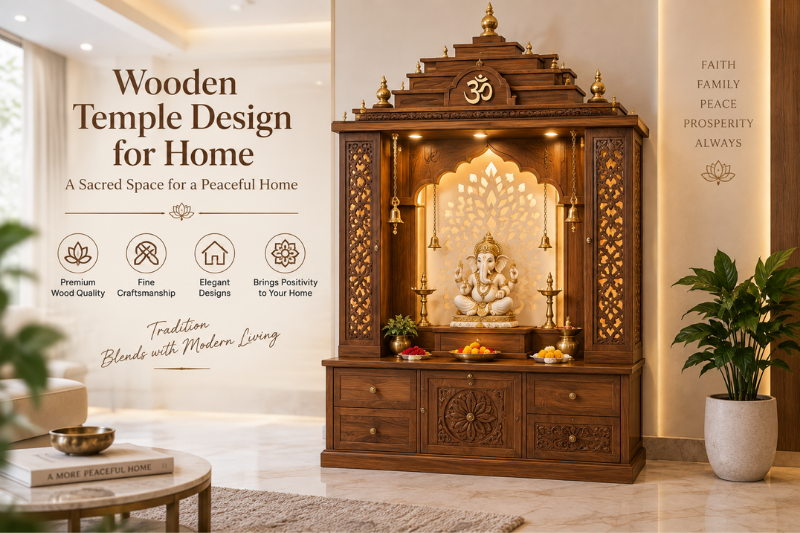
Wooden Temple Design for Home: A Complete Guide to Elegant and Functional Pooja Spaces
A well-planned Wooden Temple Design for Home can create a peaceful spiritual corner while adding warmth and character to a modern interior. Today, homeowners explore design inspiration through platforms such as Instagram, while brands such as mkfurniture focus on combining traditional craftsmanship with practical furniture solutions. A home temple is more than a decorative element; it is a dedicated space for prayer, reflection, and daily rituals. Choosing the right structure, material, size, finish, lighting, and storage can make the temple both beautiful and functional.
Why a Wooden Temple Is a Meaningful Addition to a Home
A pooja space has a special role in many Indian homes. It provides a dedicated place where family members can begin or end their day with prayer. Although temples can be created using many materials, wood remains one of the most popular choices because of its warmth, versatility, and timeless appearance.
Wood can complement both traditional and contemporary interiors. A carved wooden temple can create a classic appearance, while a simple panelled structure can work beautifully in a minimalist apartment. The flexibility of wood also allows manufacturers to create different sizes, shapes, storage arrangements, and decorative details.
A home temple should ideally feel calm rather than visually crowded. This is why proportion and simplicity are important. The design should fit naturally into its surroundings instead of looking like an unrelated piece of furniture.
For homeowners planning a new pooja space, it is useful to consider the room layout first. The available wall width, ceiling height, floor area, natural light, electrical points, and surrounding furniture can all influence the final design.
Understanding Modern Wooden Temple Designs
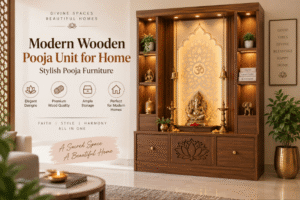
Modern temple furniture does not necessarily mean completely removing traditional details. Instead, modern design often combines familiar spiritual elements with cleaner proportions and practical functionality.
For example, a contemporary temple may feature:
- Simple geometric panels
- Clean wooden frames
- Subtle carving
- Integrated drawers
- Closed storage cabinets
- Back panels
- Warm LED lighting
- Decorative jaali panels
- Compact proportions
- Neutral wood finishes
The result can be a temple that feels traditional enough for daily rituals while still matching a modern living room or apartment interior.
A major advantage of choosing a wooden structure is customization. Different homes have different requirements, so a standard-size temple may not always be the most suitable choice. A custom unit can be designed around an existing wall, furniture arrangement, or architectural feature.
Choosing the Right Location for the Temple
Location is one of the first decisions to make when planning a pooja area.
A temple can be positioned in several areas depending on the home’s layout. Common choices include a dedicated pooja room, living room corner, hallway niche, dining-area partition, or a specially designed wall unit.
The available space should be measured before selecting furniture. A large temple in a small room can make the area feel crowded, while a very small unit may not provide enough usable space for idols, lamps, prayer accessories, and other items.
Consider the following before finalizing the location:
Wall Width
Measure the usable wall width and account for nearby doors, windows, switches, and furniture. The temple should have enough breathing room around it.
Ceiling Height
A tall temple can create an impressive visual effect in rooms with higher ceilings. However, very tall furniture can feel overwhelming in compact spaces.
Natural Light
Natural light can make a pooja area feel fresh and welcoming. If the temple is positioned near a window, make sure direct sunlight and moisture will not negatively affect the wood over time.
Electrical Points
Lighting is an important part of a modern temple. Planning electrical points in advance can help hide wiring and create a cleaner appearance.
Accessibility
The temple should be comfortable to approach and use every day. Avoid placing it behind furniture or in a location where daily rituals become inconvenient.
Small Temple Designs for Apartments
Urban apartments often have limited floor space. This does not mean a beautiful temple needs to be sacrificed.
A compact wall-mounted unit can be an excellent solution for smaller homes. It occupies less floor area and can turn an unused wall into a dedicated spiritual corner.
Another option is a narrow freestanding temple. Such units can include a small prayer platform, upper canopy, back panel, and one or two storage drawers.
For particularly compact spaces, a floating-style temple can create a lightweight appearance. By keeping the lower area visually open, the room can appear less crowded.
Small temples can also be integrated into larger furniture arrangements. For example, a temple may be placed within a living-room storage wall or alongside a display cabinet.
The key is to maintain visual balance. A small space benefits from simple detailing, appropriate proportions, and carefully planned storage.
Traditional Carved Wooden Temple Styles
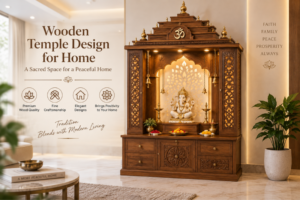
Traditional Indian temple furniture often includes detailed craftsmanship. Carved pillars, arches, floral motifs, decorative borders, jaali work, and layered roofs can create a strong heritage-inspired appearance.
These details can make the temple a focal point within the home.
However, carving should be selected according to the overall interior. If the room already contains several heavily decorated furniture pieces, an extremely elaborate temple may make the space feel busy.
A moderately carved design can provide traditional character without overwhelming the room.
Homeowners who prefer a stronger traditional appearance may consider:
- Ornamental pillars
- Arched entrances
- Detailed jaali panels
- Carved borders
- Decorative roof structures
- Bell-inspired details
- Floral carving
- Layered wooden frames
The quality of craftsmanship is particularly important in these designs because detailed work becomes a prominent visual feature.
Minimalist Wooden Temple Designs
Minimalism is increasingly popular in modern interiors. A minimalist temple focuses on clean lines, restrained decoration, and functional details.
Instead of extensive carving, the design may use:
- Straight wooden frames
- Flat panels
- Subtle grooves
- Simple arches
- Integrated lighting
- Hidden storage
- Neutral finishes
This approach works especially well in contemporary apartments and modern villas.
A minimalist temple does not have to look plain. Carefully selected wood grain, lighting, proportions, and small decorative details can create an elegant appearance without excessive ornamentation.
Selecting the Right Wood and Material
Material selection affects appearance, durability, maintenance, and budget.
Solid wood is often selected when homeowners want a substantial and natural appearance. Engineered boards and quality furniture panels can also be used where stability, customization, and budget efficiency are important.
The choice should depend on the design, environment, construction quality, and expected use.
Important considerations include:
Strength
The structure should be strong enough to support idols, decorative elements, lamps, accessories, and storage items.
Surface Quality
The finish should be smooth and suitable for regular cleaning.
Stability
Wood-based furniture should be constructed to minimize unnecessary movement or warping under normal indoor conditions.
Finish Compatibility
The chosen material should support the desired finish, whether natural, stained, painted, matte, or glossy.
Maintenance
Consider how easily the surface can be cleaned and maintained. A temple is used frequently, so practical maintenance matters.
Popular Wood Finishes for Home Temples
The finish can dramatically change the appearance of a wooden temple.
Natural wood finishes highlight the grain and create warmth. Medium brown finishes can create a classic Indian furniture appearance, while darker finishes can provide a luxurious feel.
Light wood finishes are suitable for contemporary spaces because they can make furniture appear visually lighter.
Common finish directions include:
- Natural wood
- Light oak-inspired tones
- Warm walnut-inspired tones
- Medium brown
- Dark brown
- Matte painted finishes
- Two-tone combinations
The best choice should coordinate with nearby furniture, flooring, wall colors, and decorative elements.
For example, if the room contains warm wooden flooring and neutral walls, a medium wood finish can connect the temple with the rest of the interior.
The Importance of Temple Proportion
A beautiful temple can lose its visual appeal if its proportions are unsuitable for the room.
Width, depth, height, platform size, canopy size, and storage dimensions should work together.
The prayer platform should provide enough room for the intended idols and accessories. The upper structure should provide visual framing without making the space feel cramped.
For a compact home, a narrower depth may be preferable. For a dedicated pooja room, a deeper structure can provide more usable space.
Proportion is especially important for custom furniture because every measurement can be adjusted to suit the environment.
Adding Storage to a Wooden Temple
Storage can make a temple significantly more practical.
Prayer spaces often require items such as:
- Prayer books
- Incense
- Cotton wicks
- Lamps
- Containers
- Decorative accessories
- Cloths
- Pooja supplies
- Small utensils
Leaving these items scattered around the temple can create visual clutter.
Storage can therefore be integrated into the furniture without changing its spiritual character.
Drawers are useful for smaller accessories. Closed cabinets can store larger items. Open shelves can display decorative pieces that are used frequently.
A balanced combination of open and closed storage can provide both accessibility and visual cleanliness.
Drawers and Cabinets
Drawers should be positioned at a comfortable height and sized according to the items they will hold.
Small drawers are useful for everyday prayer accessories. Larger drawers can provide additional flexibility.
Cabinet doors can hide less frequently used supplies and help maintain a neat appearance.
Hardware should complement the overall design. Traditional temples may use decorative handles, while modern designs can use minimal hardware or concealed mechanisms.
The storage arrangement should be decided before construction rather than added as an afterthought.
Incorporating Jaali Work
Jaali is one of the most recognizable decorative features in Indian furniture design.
Wooden jaali panels can be used on the sides, doors, back panel, or upper section of a temple. They allow visual openness while adding detail.
Different patterns can produce different effects. Geometric patterns can appear contemporary, while floral or traditional motifs can create a more heritage-inspired appearance.
Jaali can also influence lighting. When warm light is placed behind a perforated panel, it can create attractive patterns and depth.
However, excessive jaali work can make cleaning more difficult. The design should therefore balance decoration with maintenance.
Temple Back Panels
The back panel is an important visual component because it provides a background for the idols.
A plain wooden back panel creates a simple and warm appearance. A carved panel can add traditional character. Jaali can provide visual depth and airflow.
Some homeowners also prefer contrasting finishes for the back panel. For example, a darker panel behind lighter wood can make the central prayer area more visually defined.
The back panel should remain supportive rather than competing with the idols and main spiritual elements.
Lighting Ideas for Wooden Temples
Lighting can transform the appearance of a temple, particularly in the evening.
Warm lighting is commonly preferred because it creates a calm and welcoming atmosphere. LED strips can be integrated into the canopy, side panels, or rear section.
Small spotlights can highlight the main prayer area.
Lighting should be positioned carefully so that wires remain hidden and the fixtures do not interfere with daily use.
Possible lighting arrangements include:
- Canopy lighting
- Back-panel lighting
- Side lighting
- Small overhead lights
- Shelf lighting
- Concealed LED strips
A dimmer or suitable lighting control can provide additional flexibility.
Creating a Temple with a Modern Living Room
When a temple is located in the living room, it should coordinate with the existing interior.
Furniture finishes, wall colors, flooring, and decorative accessories can guide the design.
A modern living room may suit a clean wooden temple with limited carving. A more traditional interior can accommodate stronger decorative details.
The temple can also be visually separated using a partition, wooden screen, or dedicated niche.
This approach provides a sense of privacy while maintaining the open character of the room.
Wooden Temple as a Furniture Feature
A temple does not have to look like an isolated object. It can become part of a larger furniture composition.
For example, a wall unit may combine:
- Temple space
- Display shelves
- Closed storage
- Decorative niches
- Drawers
- Back panels
This approach is particularly useful in apartments where every section of the wall needs to serve a purpose.
The temple remains the focal point while the surrounding furniture provides additional functionality.
Choosing a Temple for a Large Home
Large homes offer greater flexibility.
A dedicated pooja room can accommodate a larger structure with multiple shelves, storage cabinets, decorative pillars, and a more substantial canopy.
A larger temple can also incorporate seating or additional storage.
However, bigger does not automatically mean better. The design should still maintain proportion and allow comfortable movement around the prayer area.
In a spacious room, symmetry can create a particularly attractive appearance. Matching pillars, balanced shelves, and centered lighting can create a formal visual composition.
Temple Designs for Villas
Villas often provide larger wall areas and more freedom for custom furniture.
A temple in a villa can become a major architectural feature. Floor-to-ceiling wooden panels, decorative arches, carved columns, and integrated lighting can create a strong visual statement.
The design can also coordinate with doors, wardrobes, wall panelling, and other wooden furniture throughout the property.
For premium interiors, consistency is important. Matching or complementary finishes can make separate furniture elements appear like part of one carefully planned interior.
Combining Traditional and Contemporary Elements
One of the most effective approaches is to combine traditional spiritual details with contemporary furniture design.
For example, a temple can have a classic arch and subtle carving while using modern drawers and concealed lighting.
Another design may use traditional jaali on a simple rectangular structure.
This combination makes the furniture adaptable to modern homes while preserving cultural character.
The goal is not to choose between traditional and modern styles. Instead, the two can be balanced according to the homeowner’s preferences.
Customization Options
Customization is useful when standard furniture dimensions do not fit the available space.
A custom temple can be adjusted for:
- Width
- Height
- Depth
- Storage
- Number of shelves
- Back-panel style
- Jaali pattern
- Carving
- Finish
- Lighting
- Hardware
The design can also account for unusual walls, corners, niches, columns, or existing furniture.
Working with a professional furniture manufacturer can make this process easier because measurements, materials, construction, and finish can be considered together.
mkfunriture can be considered when planning furniture solutions that need to combine design and practical requirements. Homeowners can explore additional furniture ideas through mkfurniture.
Making the Temple Easy to Maintain
A temple is used frequently, so easy maintenance should be considered during design.
Smooth surfaces are generally easier to dust and clean than extremely intricate designs.
If carving or jaali is included, make sure the patterns can be reached with a soft brush or cleaning cloth.
Avoid allowing oil, water, incense residue, or other substances to remain on wooden surfaces for extended periods.
Regular gentle cleaning can help preserve the appearance of the furniture.
Safety Around Lamps and Diyas
A temple may include lamps, diyas, incense, and other heat-producing items. The furniture should therefore be planned with safety in mind.
Open flames should be kept away from combustible decorative elements whenever possible. Adequate space should be provided around lamps, and electrical components should be installed appropriately.
The prayer platform should be stable and easy to access.
Lighting wires should be properly concealed and routed by qualified professionals where electrical work is involved.
Safety should always take priority over decorative design.
A thoughtfully designed temple can become one of the most meaningful furniture elements in a home. The best design is not simply the most decorative one. It is the design that fits the available space, supports daily rituals, provides practical storage, complements the interior, and remains easy to maintain.
From compact wall-mounted structures to large carved installations, wood provides considerable flexibility. The right choice depends on the home’s size, interior style, personal preferences, storage needs, and budget.
In the second part, we will explore additional design styles, room-specific ideas, storage planning, finishes, lighting combinations, buying considerations, maintenance, customization, and practical tips for selecting the right temple furniture.
Wooden Temple Design for Home: Design Ideas, Storage, Finishes, and Buying Tips
A thoughtfully planned Wooden Temple Design for Home can bring together spiritual significance, traditional craftsmanship, and modern interior styling. After deciding the basic size and location, homeowners can focus on practical details such as storage, lighting, finishes, decorative elements, customization, and long-term maintenance. A successful temple should not only look attractive but should also support everyday prayer routines while fitting naturally into the surrounding furniture and architecture.
Contemporary Temple Designs for Modern Interiors
Modern homes often feature clean lines, neutral colors, open layouts, and functional furniture. A contemporary temple can follow the same design language while retaining traditional elements associated with Indian prayer spaces.
A simple wooden frame with a defined prayer platform can create a sophisticated appearance without making the room feel crowded. Integrated shelves can hold regularly used items, while concealed drawers can keep smaller accessories organized.
Contemporary temple furniture can also combine open and closed sections. The central prayer area remains visible, while cabinets below or beside it provide discreet storage.
This type of design works particularly well in apartments, modern houses, and villas where homeowners want the spiritual area to complement rather than dominate the interior.
Floating Temple Designs
Floating furniture can make a compact room feel visually lighter because the floor remains visible below the unit.
A wall-mounted temple can include a compact platform, wooden back panel, upper canopy, and integrated lighting. This approach can work well when floor space is limited.
Before installing a floating structure, the wall condition and mounting system should be evaluated. The unit must be securely installed according to its size and expected load.
A floating structure can also create opportunities for decorative lighting underneath the platform, producing a subtle illuminated effect.
Corner Temple Designs
Corners are often overlooked when planning furniture.
A corner temple can convert unused space into a dedicated prayer area without occupying the main portion of a wall.
Depending on the room, an L-shaped or compact corner unit can include the main prayer platform on one side and storage on the other.
Corner furniture is especially useful in smaller rooms because it can preserve the central circulation area.
The design should be carefully measured so that doors, windows, switches, and nearby furniture remain accessible.
Temple with Decorative Partition
A wooden temple can also serve as a decorative room divider.
For open-plan homes, a partition can separate the living and dining areas while creating a dedicated spiritual niche.
Jaali panels are useful for this application because they provide visual separation without creating a completely solid wall.
A partition-style temple can feature a central prayer section surrounded by wooden panels or decorative screens.
This solution gives the temple two functions: it provides a dedicated spiritual space and contributes to the overall interior architecture.
Temple Designs with Closed Doors
Some homeowners prefer a temple that can be closed when it is not being used.
Doors can protect the interior from dust and create a clear visual boundary between the prayer space and the rest of the room.
Traditional designs may use carved doors, while modern furniture can feature simple framed panels.
Jaali doors can provide an interesting middle ground by offering partial visibility.
When selecting doors, consider the opening direction and available clearance. The doors should not interfere with nearby furniture or prevent comfortable access to the prayer area.
Soft-close hinges and quality hardware can also improve everyday convenience.
Open Temple Designs
Open temple furniture keeps the prayer area visible and accessible.
This approach is suitable for homeowners who want the temple to remain an important visual element throughout the day.
An open structure can use a defined wooden frame, decorative canopy, shelves, and back panel.
The main challenge is organization. Because the interior remains visible, unnecessary objects should not accumulate around the idols.
Simple storage below the platform can solve this problem without changing the open appearance.
Temple Designs with Storage Drawers
Storage drawers are particularly useful for small prayer accessories.
They can hold incense, cotton wicks, prayer books, containers, small utensils, and other frequently used items.
A drawer can also be divided into compartments to make organization easier.
The exterior should match the rest of the furniture. Minimal handles or concealed opening systems can create a contemporary appearance, while decorative handles can complement traditional furniture.
Storage should be planned according to actual household requirements rather than simply adding as many compartments as possible.
Creating a Dedicated Pooja Room
A dedicated pooja room provides greater freedom in furniture planning.
The central temple can be larger and may include side storage, decorative pillars, shelves, carved elements, and a substantial canopy.
The surrounding room can be coordinated with the furniture through wall colors, flooring, lighting, and architectural details.
Even in a dedicated room, excessive furniture should be avoided. Sufficient space should remain for movement, cleaning, and daily rituals.
A well-proportioned central unit can create a strong focal point without making the room feel overloaded.
Temple Design for Master Bedrooms
Some homes have a small prayer area near the bedroom or within a larger bedroom suite.
In these situations, a compact structure is generally more suitable than a large traditional installation.
A wall-mounted unit can save floor space and maintain a clean appearance.
The finish can be coordinated with the bed, wardrobe, bedside tables, or other wooden furniture.
A simple design with warm lighting can help the temple blend into the calm character of the bedroom.
Temple Designs for Guest Areas
A compact prayer unit can also be installed in a guest room or secondary area.
Because these spaces may have limited floor area, a small wall-mounted or narrow floor-standing structure can be practical.
Storage can be limited to the most essential requirements.
The design should remain adaptable so that the room can continue serving other purposes when necessary.
Choosing Colors Around the Temple
Wall color strongly influences how wooden furniture appears.
Neutral shades such as cream, beige, soft white, and warm grey can create a calm backdrop.
A darker accent wall can provide contrast against light-colored wood, while a lighter wall can make darker furniture appear more prominent.
The temple finish should be selected alongside the room’s flooring, furniture, curtains, wall treatment, and lighting.
Rather than following a temporary color trend, homeowners should choose combinations that complement the overall interior.
Two-Tone Wooden Temple Designs
Two-tone furniture can provide a modern visual effect.
The primary structure can use one wood tone while the back panel or selected decorative areas use another.
For example, a natural wood frame can be combined with a deeper-toned back panel.
Painted elements can also be incorporated into selected sections.
Two-tone designs should generally use complementary shades rather than many contrasting colors. A controlled palette keeps the temple elegant and visually organized.
Premium Temple Designs
Luxury interiors may benefit from more detailed furniture.
A premium temple can include carefully carved panels, decorative columns, layered framing, high-quality hardware, customized storage, and integrated lighting.
However, luxury should not be confused with excessive decoration.
High-end furniture is often defined by precision, material quality, proportion, finish consistency, and craftsmanship.
A relatively simple temple can look luxurious when the construction and detailing are executed carefully.
Traditional Indian Temple Inspiration
Indian architectural traditions provide many references for temple furniture.
Arches, columns, carved borders, jaali screens, decorative canopies, and handcrafted motifs can all influence the design.
These features can be reproduced in a traditional form or simplified for contemporary interiors.
For example, a classic arch can be placed within a clean rectangular structure. Traditional jaali can be incorporated into a modern wooden frame.
This allows the furniture to retain cultural identity while remaining compatible with modern home design.
Lighting as a Decorative Feature
Lighting can enhance both the usability and appearance of the prayer space.
A concealed LED strip can illuminate the platform without producing excessive glare.
Backlighting can create depth behind the idols, while small accent lights can emphasize carving or decorative panels.
Warm lighting is often chosen for its softer visual character.
The intensity should be appropriate for the space. Very bright lighting may reduce the calm appearance, while insufficient light can make daily activities inconvenient.
Concealed Wiring
Visible electrical wires can reduce the clean appearance of furniture.
Electrical planning should therefore happen before the unit is installed.
Wiring routes can be incorporated into suitable channels or concealed behind panels where appropriate.
Wall-mounted temples especially benefit from advance electrical planning because access can become more difficult after installation.
Electrical connections should be handled safely by a qualified professional.
Organizing Temple Storage
Storage should be organized according to frequency of use.
A practical system could include a drawer for everyday accessories, a larger cabinet for less frequently used materials, and an open shelf for decorative items.
Keeping categories separate makes daily routines easier.
The temple should not become general household storage. Unrelated objects can quickly create clutter and reduce the visual focus of the space.
Selecting the Right Depth
Depth is an important measurement that is sometimes ignored during furniture selection.
A deep unit can interfere with movement in a narrow room.
A shallow design may be more appropriate for an apartment hallway, living-room wall, or compact bedroom.
A larger dedicated pooja room can accommodate a deeper structure.
The required depth should also account for the size of idols, lamps, decorative accessories, and other objects used on the prayer platform.
Choosing the Right Height
Height affects both appearance and usability.
A tall temple can become an architectural focal point in a room with a high ceiling.
A shorter unit may be better suited to an apartment or compact space.
The upper decorative structure should not feel excessively close to the ceiling.
Before production, measurements should be taken from the finished floor level to the ceiling and compared with the proposed furniture dimensions.
Coordinating the Temple with Other Furniture
A temple can be designed to coordinate with existing furniture without looking identical.
Matching wood tones can create visual continuity.
Other shared elements can include:
- Similar hardware
- Related panel designs
- Consistent finishes
- Similar decorative motifs
- Matching proportions
For example, a temple can share the finish of a living-room cabinet while using different detailing to maintain its own identity.
This approach helps create a cohesive interior.
Ready-Made Versus Custom Furniture
Ready-made furniture can be convenient when standard dimensions suit the room.
Custom furniture provides greater flexibility when the available space has unusual dimensions or specific requirements.
Customization can address:
- Exact width
- Specific height
- Reduced depth
- Corner layouts
- Storage requirements
- Lighting
- Carving
- Jaali patterns
- Finish
- Hardware
A custom unit can also be coordinated with other furniture being manufactured for the same home.
Budget Planning
Budget should be established before finalizing the design.
The final cost can vary according to material, dimensions, craftsmanship, storage, decorative work, finishing, hardware, lighting, and installation.
A minimalist design generally requires fewer decorative elements, while an elaborate carved structure may require additional craftsmanship.
The cheapest option is not necessarily the most economical over the long term. Construction quality, durability, finish quality, and practical usability should also be evaluated.
Common Mistakes to Avoid
Selecting the Wrong Size
Furniture should be proportionate to the room.
Ignoring Storage
Without dedicated storage, prayer accessories can create unnecessary clutter.
Adding Excessive Decoration
Too many decorative elements can make a compact temple feel crowded.
Poor Lighting Placement
Incorrectly positioned lights can create glare or shadows.
Leaving Wiring Until the End
Electrical planning should be completed before installation.
Ignoring Maintenance
Highly detailed surfaces may require additional cleaning.
Choosing a Finish Without Considering Existing Furniture
The temple should visually connect with the surrounding interior.
Maintaining Wooden Temple Furniture
Regular maintenance helps preserve the appearance of wooden furniture.
Dust should be removed regularly using an appropriate soft cloth.
Spills should be cleaned promptly.
Cleaning products should be compatible with the selected finish. Strong chemicals should not be applied without confirming that they are safe for the surface.
Detailed carving and jaali can collect dust, so a soft brush can be useful for cleaning difficult areas.
Protecting the Surface
Wooden finishes can be affected by excessive moisture, heat, and prolonged direct sunlight depending on the material and finishing system.
The temple should ideally be installed in a stable indoor environment.
Care should also be taken with oil lamps and other items that may leave residue.
Any spilled oil or water should be cleaned as soon as possible.
Long-Term Durability
A temple is generally furniture intended for long-term use.
Construction quality should therefore be evaluated carefully.
Check the stability of the structure, alignment of doors and drawers, quality of joints, finish consistency, and mounting system where applicable.
For a wall-mounted unit, secure installation is especially important.
A well-built structure should remain stable and functional during everyday use.
Why Craftsmanship Matters
Craftsmanship is visible in the details.
Edges should be finished smoothly. Panels should align correctly. Doors should open and close properly. Drawers should operate smoothly.
For carved furniture, decorative motifs should be consistent and proportionate.
Quality craftsmanship can make a relatively simple design appear sophisticated.
When commissioning custom furniture, homeowners should communicate their requirements clearly before production begins.
Working with a Furniture Manufacturer
A furniture manufacturer can help convert a design concept into a practical finished product.
The process can include:
- Understanding the room
- Measuring the available area
- Discussing design preferences
- Selecting materials
- Planning storage
- Choosing the finish
- Planning lighting
- Confirming dimensions
- Manufacturing the furniture
- Installing the final unit
Clear communication at every stage helps reduce misunderstandings.
For homeowners exploring broader wooden furniture solutions, mkfurniture can be used as a starting point for exploring furniture ideas and design possibilities. mkfunriture can also position traditional-inspired furniture within contemporary interiors while keeping functionality in focus.
Creating a Calm Spiritual Corner
The area surrounding the temple should remain visually calm.
Avoid placing too many unrelated decorative objects nearby.
A clean backdrop, organized storage, appropriate lighting, and carefully selected accessories can help maintain focus.
The temple should remain the primary element of the space.
A small plant, decorative lamp, artwork, or other accent can be used where appropriate, but these additions should not overcrowd the prayer area.
Designing for Future Requirements
Furniture should remain useful as household needs change.
Storage requirements may increase over time. The room arrangement may also change.
A flexible furniture design can therefore provide greater long-term value.
Adjustable shelves, additional storage, or modular components may provide more flexibility.
When planning a custom piece, think beyond immediate requirements and consider how the furniture may be used several years later.
Final Buying Checklist
Before purchasing or commissioning a temple, review these points:
- Measure the available space.
- Decide between wall-mounted and floor-standing furniture.
- Determine the required prayer platform size.
- Plan storage requirements.
- Select suitable materials.
- Choose the finish.
- Decide between traditional and contemporary styling.
- Consider carving and jaali.
- Plan electrical points.
- Select appropriate lighting.
- Check installation requirements.
- Consider maintenance.
- Review construction quality.
- Confirm dimensions.
- Establish the budget.
- Discuss installation and finishing requirements.
A checklist makes the buying process more systematic and reduces the possibility of overlooking practical details.
Frequently Asked Questions
What is the best material for a home temple?
Material selection depends on the desired design, budget, indoor conditions, construction requirements, and preferred appearance. Solid wood and quality engineered wood products can both be considered when they are appropriate for the intended application.
How much space is required for a home temple?
There is no universal size. Compact wall-mounted units can work in apartments, while larger dedicated rooms can accommodate substantial structures with additional storage.
Is a wall-mounted temple suitable for a small apartment?
Yes. Wall-mounted furniture can reduce floor-space usage and create a visually lighter appearance.
Should a temple include storage?
Storage is useful for keeping prayer books, incense, lamps, containers, and other accessories organized.
Is jaali suitable for contemporary furniture?
Yes. Geometric jaali patterns can complement modern interiors, while floral and traditional patterns can provide a more classic character.
What lighting is suitable for a temple?
Warm and controlled lighting can create a comfortable atmosphere. Concealed LED strips, backlighting, and small accent lights can all be considered.
Can a temple be customized?
Yes. Custom furniture can be produced according to specific dimensions, storage requirements, finishes, lighting preferences, decorative details, and room layouts.
How should wooden temple furniture be cleaned?
Regular dusting and prompt cleaning of spills are important. Cleaning products should be compatible with the selected finish.
Can a temple become part of a living-room wall unit?
Yes. A temple can be integrated with display shelves, cabinets, drawers, and decorative panels to create a larger multifunctional furniture composition.
How can a small prayer area look more spacious?
Use appropriate proportions, limited decorative details, lighter finishes, open areas, concealed storage, and integrated lighting. Wall-mounted structures can also reduce visual heaviness.
Final Thoughts
A carefully planned Wooden Temple Design for Home can bring together tradition, craftsmanship, functionality, and modern interior styling. The best furniture solution is not necessarily the largest or most decorative. It is the one that fits the available space, supports daily rituals, provides useful organization, and complements the surrounding home.
Homeowners can choose from compact wall-mounted units, corner structures, traditional carved furniture, minimalist designs, partition-style temples, or larger installations for dedicated prayer rooms.
Material, finish, lighting, storage, proportion, safety, and maintenance should all be considered before finalizing the design.
Customization can be particularly valuable when the available space has unusual dimensions or when homeowners want a specific combination of storage and decorative elements.
The goal should be to create a spiritual corner that feels peaceful and organized while also becoming a natural part of the home’s interior.
With careful planning and quality craftsmanship, a wooden temple can remain both meaningful and functional for many years. mkfunriture can support furniture planning by combining practical requirements with design-focused solutions, while mkfurniture offers a place to explore broader furniture ideas for contemporary homes.