Wooden Headboard with Storage: Stylish Bedroom Design Ideas for Modern Homes
A well-designed bedroom combines comfort, organization, and attractive furniture. A wooden headboard with storage can make a bedroom more functional by combining the visual appeal of a headboard with practical space for books, personal accessories, bedside essentials, and decorative items. Homeowners looking for modern bedroom furniture can explore design inspiration on Instagram and discover furniture solutions from mkfurniture. The company, mkfunriture, focuses on furniture ideas that balance style, everyday usability, and practical storage for contemporary homes.
What Is a Wooden Headboard with Storage?
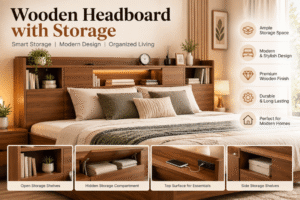
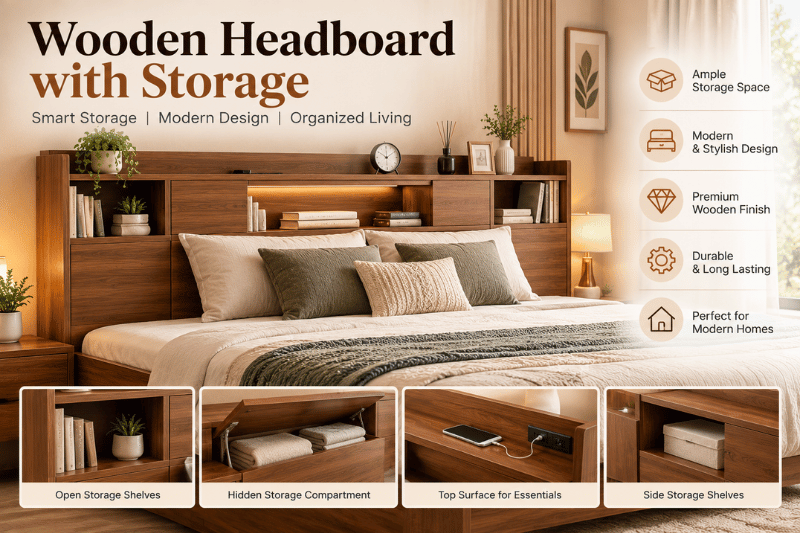
A storage headboard is a bed headboard designed with built-in compartments, shelves, cabinets, niches, or other storage features. Instead of serving only as a decorative backdrop for the bed, it provides additional space for items that people commonly use in the bedroom.
Depending on its design, the headboard may include open shelves, concealed cabinets, small drawers, bedside storage sections, or a combination of different features.
This type of furniture can be useful in both large and small bedrooms. In compact rooms, it can reduce the need for separate bedside furniture. In larger bedrooms, it can create a coordinated focal point behind the bed.
The ideal design depends on the room dimensions, mattress size, storage requirements, preferred interior style, and available budget.
Why Storage Headboards Are Popular in Modern Bedrooms
Modern bedrooms often need to accommodate more than a bed and wardrobe. People may also want space for reading materials, charging devices, decorative objects, lamps, and personal accessories.
A storage headboard helps bring these items together in one organized area.
Its popularity is supported by several practical advantages:
- It can reduce bedside clutter.
- It can provide convenient access to frequently used items.
- It can complement modern bedroom furniture.
- It can make use of the wall area behind the bed.
- It can reduce the need for separate shelves.
- It can support a coordinated bedroom design.
The main advantage is the combination of functionality and appearance. Instead of adding multiple small storage units around the bed, homeowners can plan a single integrated furniture feature.
Benefits of Wooden Headboard Designs
Wood is widely used in bedroom furniture because it offers a warm appearance and can suit many interior styles. Depending on the material and finish, wooden furniture can look minimalist, traditional, contemporary, or luxurious.
A wooden headboard can also be coordinated with wardrobes, bedside tables, dressing units, and other furniture.
Practical Everyday Storage
Built-in storage keeps frequently used items close to the bed. Books, glasses, small accessories, and other suitable objects can be placed in designated compartments.
Better Space Utilization
The wall behind the bed is often used only for a headboard or decoration. A storage-focused design can turn this area into a functional part of the bedroom.
A Coordinated Appearance
When the headboard and surrounding furniture share similar finishes or design details, the bedroom can feel more cohesive.
Flexible Design Options
Wooden furniture can be created in different widths, heights, finishes, and configurations. Storage can be adjusted to suit individual requirements.
Choosing the Right Headboard Size
The dimensions of the headboard should relate to the bed and the bedroom.
A headboard that is too narrow may look disconnected from the bed, while an oversized design may overwhelm a compact room.
Before selecting a design, measure the bed width, available wall width, ceiling height, and space beside the bed.
Consider the following factors:
- Mattress and bed-frame width
- Height of the mattress
- Width of bedside tables
- Available wall area
- Ceiling height
- Window and door positions
- Access to electrical outlets
- Space required for movement
For a balanced appearance, the headboard should work with the bed rather than compete with it.
Headboard Designs for King-Size Beds
King-size beds usually have a substantial presence in the bedroom. A wider headboard can create a balanced background and provide space for integrated storage.
Possible configurations include a full-width panel, horizontal shelves, concealed cabinets, or storage sections extending toward the bedside areas.
The design should consider the size of the room. A wide headboard can look impressive in a spacious master bedroom, but excessive depth or bulky side sections may reduce movement space in a smaller room.
For a premium appearance, homeowners can coordinate the headboard finish with the wardrobe or other large furniture pieces.
Headboard Designs for Queen-Size Beds
Queen-size beds provide an opportunity to combine comfort and practical storage without necessarily occupying the entire bedroom wall.
A medium-width headboard with carefully positioned shelves can accommodate everyday essentials.
For example, a design may include one shelf on each side and a central upholstered or wooden panel. Alternatively, a full-width panel can incorporate compact cabinets near the edges.
The most suitable arrangement depends on whether the bedroom already has separate bedside tables.
Storage Headboards for Small Bedrooms
Small bedrooms require careful furniture planning because every additional unit occupies valuable space.
A storage headboard can help reduce the number of separate pieces of furniture required around the bed.
Useful ideas include narrow shelves, shallow compartments, compact cabinets, and vertical storage sections. A simple design with a limited number of compartments may work better than a large structure with excessive detailing.
For a small bedroom, measure the available walking space before choosing a headboard. Storage should make the room easier to use, not more crowded.
Headboards for Large Master Bedrooms
A large master bedroom can accommodate more substantial headboard designs.
A wide wooden panel can create a focal point behind the bed, while integrated shelves and concealed compartments provide additional functionality.
Some designs extend across the wall to create a complete bedroom feature. Others combine the headboard with bedside cabinets or decorative wall panels.
The key is proportion. A large headboard should complement the bed, wardrobe, flooring, lighting, and overall room dimensions.
Open Shelving Behind the Bed
Open shelving provides convenient access to everyday items.
It can hold books, small decorative objects, framed photographs, or other lightweight accessories. The shelves can be positioned at the sides of the bed or integrated into the central headboard structure.
Open shelves are useful when accessibility matters, but they require regular organization because their contents remain visible.
Avoid overcrowding the shelves. A few useful objects can create an attractive arrangement without making the headboard look busy.
Concealed Storage Compartments
Concealed storage provides a cleaner visual appearance by keeping everyday objects behind doors or panels.
This option may suit homeowners who prefer a minimalist bedroom.
Small cabinets can store accessories, chargers, reading materials, and other suitable items. The design should allow the doors to open comfortably without obstructing the bed or nearby furniture.
Concealed compartments are particularly helpful when the bedroom has several decorative elements and the homeowner wants to keep the overall appearance simple.
Headboards with Built-In Drawers
Drawers can provide additional organization for smaller objects.
Depending on the construction, they may be incorporated into the lower or side sections of the headboard.
Potential uses include storing notebooks, small accessories, stationery, and other lightweight items.
Drawer size and placement should be planned carefully. Drawers need sufficient clearance to open, and their location should not interfere with pillows, bedding, or the user’s movement around the bed.
Headboards with Bedside Storage
Integrating bedside storage into the headboard can create a coordinated alternative to separate bedside tables.
The design may include shelves, compact cabinets, or small drawer units on either side of the bed.
This approach can create visual continuity, especially when the headboard and bedside sections share the same finish.
However, the overall width must be measured carefully. Side storage should not block doors, windows, wardrobes, or the main walking route.
Minimalist Wooden Headboard Designs
Minimalist furniture focuses on clean lines, practical features, and restrained decoration.
A minimalist headboard may use flat panels, simple shelves, concealed compartments, and neutral finishes.
The storage is integrated into the design rather than added as an obvious extra feature.
This approach works well in contemporary bedrooms where visual simplicity is a priority.
A minimalist design can also be easier to coordinate with changing bedding, wall colors, and decorative accessories.
Modern Headboards with Fluted Panels
Fluted panels feature repeated grooves that introduce texture to a furniture surface.
When used behind a bed, they can create visual interest without requiring elaborate decoration.
A fluted headboard can incorporate storage at the sides or within a separate lower section. The textured panel becomes the decorative element, while the compartments provide functionality.
To maintain balance, use fluted detailing in a way that complements the other furniture rather than repeating too many competing textures throughout the room.
Headboards with Floating Shelves
Floating shelves can create a light and modern appearance.
They are often used for books, small decorative pieces, and lightweight everyday items. When positioned at a convenient height, they can provide accessible storage without requiring a large cabinet structure.
Installation is important. Shelves must be attached using a suitable mounting system for the wall and expected load.
The shelf height should also be considered carefully so that objects do not interfere with pillows, head movement, or comfortable use of the bed.
Headboards with Integrated Lighting
Lighting can improve the function and appearance of a bedroom headboard.
Integrated lights may provide reading illumination or create a soft visual effect behind the bed. They can be incorporated into a shelf, wall panel, or recessed section.
Before adding lighting, decide how the bed will be used. Someone who reads before sleeping may need directional light, while someone who prefers a relaxing atmosphere may prefer indirect illumination.
Electrical components should be planned and installed appropriately, with wiring concealed safely where possible.
Choosing the Right Wood Finish
The finish influences how the headboard relates to the rest of the bedroom.
Light wood tones can create a bright, relaxed appearance. Medium brown finishes can provide warmth, while darker finishes may create stronger contrast.
Popular design approaches include:
- Natural wood tones
- Light oak-inspired finishes
- Warm brown finishes
- Walnut-inspired tones
- Dark wood finishes
- Matte surfaces
- Two-tone combinations
- Wood paired with neutral panels
Choose a finish that works with the floor, wall color, wardrobe, and bedside furniture. The headboard does not need to match every item exactly, but the finishes should complement one another.
Light Wood Headboards
Light wood finishes can help create an airy appearance.
They work particularly well with white, cream, beige, and other neutral colors. They can also complement light flooring and simple bedroom textiles.
In a compact bedroom, a lighter finish may help prevent the headboard from dominating the room visually.
The final appearance will depend on the grain pattern, finish quality, lighting, and surrounding colors.
Dark Wood Headboards
Dark wood finishes can create a rich, grounded appearance.
They may work well in spacious bedrooms with adequate lighting and lighter walls or bedding.
A dark headboard can become a strong focal point behind the bed. To keep the room balanced, use lighter textiles or complementary furniture finishes where appropriate.
Dark finishes should be evaluated in the actual room lighting because their appearance may change between daylight and artificial illumination.
Two-Tone Headboard Designs
Two-tone furniture combines two complementary finishes in one design.
For example, a wooden panel may be paired with a neutral-colored storage section, or a darker frame may surround lighter shelves.
This approach can introduce contrast while maintaining a coordinated appearance.
Two-tone designs are especially useful when homeowners want the headboard to connect different colors already present in the bedroom.
Matching the Headboard with the Wardrobe
The wardrobe is often one of the largest pieces of furniture in a bedroom. Its finish and visual weight can therefore influence the choice of headboard.
Matching the finishes can create a coordinated furniture arrangement. Alternatively, a complementary finish can add contrast without making the room feel disconnected.
For example, a light wooden headboard may work with a neutral wardrobe, while a darker headboard may create a focal point in a room with lighter furniture.
Consistency in panel style, hardware, and detailing can also help connect different pieces.
Matching the Headboard with Bedside Tables
Bedside tables and headboards should work together functionally as well as visually.
If the headboard already includes storage at both sides, separate bedside tables may not be necessary. If it provides only central shelving, bedside tables may still be useful.
Before choosing furniture, decide which items need to remain within easy reach.
Consider lamps, books, phones, glasses, and other everyday essentials. Their placement should be convenient without making the area overcrowded.
Planning Storage Around Daily Habits
The most practical design reflects how the bedroom is used.
A person who reads regularly may need accessible shelves for books. Someone who prefers a clean surface may benefit from concealed compartments. A shared bedroom may need storage on both sides of the bed.
List the items that need to be stored before finalizing the layout.
Then decide which items should remain visible, which should be concealed, and how frequently each compartment will be used.
This simple planning process can help avoid unnecessary features and make the finished furniture more useful.
Common Design Mistakes to Avoid
A storage headboard should be attractive, but it must also be comfortable and practical.
Common mistakes include choosing a design that is too deep, placing shelves too close to pillows, adding more compartments than necessary, ignoring electrical outlets, and failing to measure the available wall.
Another mistake is choosing a finish without considering the rest of the bedroom.
Careful planning can prevent these issues and help create a balanced, functional furniture arrangement.
A well-planned wooden headboard with storage can improve bedroom organization while adding a distinctive design feature behind the bed. Open shelves, concealed cabinets, drawers, floating shelves, integrated lighting, and coordinated bedside sections offer different ways to combine appearance and everyday functionality.
The best choice depends on room dimensions, bed size, storage needs, preferred style, and existing furniture. Homeowners should begin by measuring the room and identifying the items they want to keep near the bed. They can then choose the appropriate layout, finish, and storage configuration.
Wooden Headboard with Storage: Materials, Customization and Buying Guide
A bedroom headboard should support comfortable everyday use while complementing the room’s overall appearance. A wooden headboard with storage can provide useful space for books, accessories, reading materials, and bedside essentials without requiring several separate furniture pieces. To choose the right design, homeowners should consider material quality, storage configuration, room dimensions, finish, maintenance, and long-term requirements.
Choosing the Right Material
Material selection affects the appearance, construction, maintenance, and cost of bedroom furniture.
Different materials may suit different budgets and design preferences. Before choosing a headboard, consider how it will be used, how much storage it needs to support, and whether the bedroom has any special requirements.
Important considerations include:
- Strength and construction quality
- Surface finish
- Expected daily use
- Storage compartment dimensions
- Hardware quality
- Maintenance requirements
- Overall bedroom design
The material should be appropriate for both the decorative panel and the storage components.
Engineered Wood for Modern Headboards
Engineered wood is commonly used in contemporary furniture because it can support consistent dimensions and a variety of finishes.
It can be suitable for designs that feature smooth panels, geometric shapes, integrated shelves, and concealed storage.
Different engineered wood products have different characteristics. The appropriate material should be selected according to the headboard’s design, dimensions, expected load, and construction requirements.
Homeowners should ask about the specific board type and finish rather than assuming that all engineered wood products offer the same performance.
Solid Wood Headboards
Solid wood can provide a natural appearance with distinctive grain patterns and variations in color.
It may suit homeowners who prefer a traditional or premium furniture aesthetic. Solid wood can also be finished in different ways to complement contemporary interiors.
However, the suitability of a particular wood species depends on the design, construction, budget, and expected conditions.
When comparing materials, consider the complete furniture construction rather than focusing on the surface appearance alone.
Combining Wood with Upholstery
Some headboard designs combine wood with upholstered panels.
The wooden sections provide structure and storage, while upholstery introduces a softer visual element behind the bed.
This combination can work well in bedrooms that aim for a comfortable, layered appearance.
Fabric selection should account for cleaning requirements and daily use. The upholstered section should also be positioned so that it does not obstruct shelves, cabinet doors, or other storage features.
Wooden Headboards with Glass Details
Glass can be incorporated into selected sections of a headboard or its adjoining storage cabinets.
For example, a side compartment may use a glass-fronted door, while the central panel remains wooden.
This approach can introduce visual contrast and make the furniture look more decorative.
However, glass-fronted storage works best when its contents are arranged neatly. Homeowners should also confirm that the glass and fittings are suitable for the intended furniture application.
Choosing the Right Hardware
Hardware affects how a headboard’s storage compartments function.
Common components include hinges, drawer runners, handles, and opening mechanisms.
Useful options may include:
- Soft-closing hinges
- Smooth-running drawer systems
- Integrated handles
- Recessed handles
- Push-to-open mechanisms
The correct hardware depends on the compartment size, door weight, frequency of use, and overall design.
Hardware should be selected for reliable everyday operation as well as appearance.
Planning the Storage Layout
Before choosing the exterior design, decide what needs to be stored.
A headboard intended for books and decorative objects may require open shelves. A design for personal accessories may benefit from concealed compartments. A shared bedroom may need storage on both sides of the bed.
Consider creating separate zones for different purposes.
For example, one side can hold reading materials, while the other can provide space for a small lamp and personal accessories.
The layout should remain easy to access from a normal sleeping position.
Storage for Books and Reading Materials
Books are among the most practical items to store near a bed.
A dedicated shelf can hold current reading material without requiring a separate bookcase.
Shelf height and depth should accommodate the types of books being stored. Heavier collections may require stronger shelves and suitable structural support.
Avoid placing excessive weight on shelves that were not designed for it.
Storage for Phones and Accessories
Many people keep their phones, glasses, chargers, and small personal items close to the bed.
A shallow shelf or compact compartment can provide a designated location for these items.
Cable management should be considered if the design includes charging devices.
Keep electrical accessories arranged safely and avoid overcrowding compartments with chargers or other equipment that may require ventilation.
Cable Management in Headboard Furniture
Charging cables can quickly make a bedroom look untidy.
Cable management can be planned through appropriate openings, concealed channels, or designated spaces for charging accessories.
Before construction, identify the location of electrical outlets and the devices that will be used near the bed.
Any cable openings should be positioned where they are convenient and safe.
Electrical installation should be handled appropriately, and wiring should not be trapped behind furniture or placed where it may become damaged.
Space-Saving Designs for Apartments
Apartments often have limited bedroom space, making furniture that combines multiple functions especially useful.
A storage headboard can provide shelves or compartments while reducing the need for separate bedside furniture.
Space-saving ideas include:
- Narrow side shelves
- Shallow storage compartments
- Compact cabinets
- Vertical storage panels
- Integrated bedside sections
- Wall-mounted shelves
The design should preserve sufficient walking space and allow easy access to the bed.
Headboards for Compact Guest Bedrooms
Guest bedrooms may not have enough room for extensive bedside furniture.
A compact storage headboard can provide guests with a convenient place for books, phones, and small personal belongings.
Simple open shelving may be sufficient for an occasional-use room.
If the guest bedroom also serves as a study or multipurpose room, the storage arrangement should be planned to support both functions without making the room feel crowded.
Storage Headboards for Children’s Bedrooms
Children’s bedrooms may benefit from practical storage near the bed.
Suitable items might include storybooks, small accessories, or lightweight personal belongings.
The design should prioritize safety and accessibility.
Avoid sharp edges, unstable components, and compartments that create unnecessary hazards. Tall or wall-mounted elements should be properly secured, and heavier objects should not be placed where they could fall onto the bed.
The exact design should reflect the child’s age and the intended use of the furniture.
Designing a Coordinated Bedroom Furniture Set
A coordinated bedroom can be created by considering the headboard alongside the wardrobe, bedside tables, dressing unit, bed frame, and other furniture.
The pieces do not necessarily need identical finishes. However, they should share some visual characteristics, such as color, panel style, hardware, or overall shape.
For example, a simple wooden headboard can complement a wardrobe with matching wood tones and understated handles.
This approach creates continuity without requiring every piece of furniture to look exactly the same.
Integrating the Headboard with a Feature Wall
A feature wall can make the bed the main focal point of the bedroom.
The headboard may be integrated with decorative panels, wall finishes, or a broader furniture arrangement.
However, decorative elements should not interfere with the storage compartments.
Plan the wall design and furniture dimensions together. This helps ensure that shelves remain accessible and that the complete arrangement looks balanced.
Creating a Premium Bedroom Appearance
A premium-looking bedroom depends on the relationship between materials, proportions, lighting, and organization.
Expensive decoration is not always necessary.
A simple headboard can look refined when it has clean edges, a consistent finish, carefully selected hardware, and well-proportioned storage.
To improve the overall effect:
- Keep shelves organized.
- Choose complementary finishes.
- Avoid excessive decorative objects.
- Use suitable lighting.
- Maintain clear surfaces.
- Coordinate the headboard with the bed and wardrobe.
These details can make the bedroom feel more intentional and comfortable.
Styling Open Shelves
Open shelves can hold a small selection of decorative or practical objects.
Possible choices include books, framed photographs, a small decorative piece, or lightweight accessories.
The number of objects should suit the size of the shelf.
Too many items can create visual clutter and reduce the practical storage space.
A balanced arrangement usually works better than filling every available section.
Using Decorative Lighting
Lighting can highlight the headboard and create a comfortable bedroom atmosphere.
Options include bedside lamps, wall-mounted reading lights, or professionally installed integrated lighting.
The appropriate choice depends on how the room is used.
Reading lights should provide useful illumination without creating excessive glare. Decorative lighting should complement the room rather than overpower it.
Plan lighting before the furniture is finalized so that wiring and outlet positions can be considered.
Choosing Bedroom Colors
Color selection can influence how the headboard fits into the room.
Light wooden finishes may work well with neutral walls and pale bedding. Darker wood can create contrast in a bright room. Two-tone designs can connect different furniture finishes.
Consider the room in both daylight and artificial lighting before making a final choice.
If possible, review a material sample against the bedroom’s wall color and flooring.
Customizing Headboard Furniture
Every bedroom has different dimensions and storage needs. Customization can help address these differences.
A customized design may allow homeowners to choose the width, height, depth, shelf positions, cabinet layout, finish, and hardware.
For example, a compact bedroom may need narrow shelves, while a larger master bedroom may accommodate a wider headboard with side cabinets.
Customization is particularly useful when the headboard needs to fit an unusual wall or coordinate with existing furniture.
Homeowners can explore furniture options through mkfurniture, while discussing specific design and customization requirements with the company, mkfunriture.
Questions to Ask Before Ordering Custom Furniture
Before approving a design, confirm the practical details.
Ask the furniture provider:
- What materials will be used?
- What are the final dimensions?
- How much weight can the shelves support?
- What storage compartments are included?
- Which hardware will be installed?
- What finishes are available?
- How will cables be managed?
- How will the furniture be installed?
- What maintenance is recommended?
- What is included in the final quotation?
These questions help establish expectations before production begins.
Measuring the Bedroom Before Buying
Accurate measurements are essential for a well-fitting headboard.
Measure the bed, wall width, available height, and any space needed for adjoining furniture.
Also consider:
- Door openings
- Window positions
- Electrical outlets
- Skirting boards
- Wall projections
- Existing bedside tables
- Wardrobe clearance
- Walking pathways
A design may look suitable in a product photograph but still be impractical for a particular bedroom.
Measure the actual space before placing an order.
Considering Installation Requirements
Installation should be considered during the design stage.
A large headboard may require multiple components or careful positioning. Wall-mounted shelves and panels need appropriate fixings for the wall structure and expected load.
Check that the installation process will not block electrical outlets or interfere with existing furniture.
For large or customized furniture, professional installation may help ensure correct alignment and stability.
Maintaining Wooden Headboard Furniture
Regular care can help maintain the appearance of wooden furniture.
Dust the surface using a soft, dry cloth. Clean spills promptly and avoid excessive moisture.
Use cleaning products that are suitable for the specific finish. Strong chemicals or abrasive materials may damage some surfaces.
Also avoid placing heavy objects on shelves beyond their intended capacity.
Following the furniture provider’s care instructions is the best approach for maintaining the finish over time.
Keeping Storage Compartments Organized
Even well-designed storage can become cluttered without a simple organization system.
Keep frequently used items in accessible sections and avoid placing unrelated objects in every compartment.
Review the contents periodically and remove items that are no longer needed.
For open shelving, limit the number of decorative objects. For concealed storage, use small organizers when they make accessories easier to locate.
Good organization keeps the headboard useful and maintains the appearance of the bedroom.
Protecting Furniture from Moisture and Heat
Furniture should be maintained in suitable indoor conditions.
Avoid excessive moisture and prolonged exposure to direct heat. Clean spills promptly and follow the material-specific care instructions.
If the headboard incorporates electrical lighting, ensure that the installation is appropriate and that cables remain undamaged.
Proper use and maintenance can help preserve the furniture’s appearance and functionality.
Common Buying Mistakes
Choosing a headboard based only on appearance can result in an impractical design.
Some common mistakes include:
- Selecting a design that is too wide for the room
- Placing shelves at uncomfortable heights
- Ignoring the bed’s actual dimensions
- Choosing storage that is too shallow or too deep
- Forgetting cable management
- Overlooking hardware quality
- Ignoring installation requirements
- Choosing a finish that clashes with existing furniture
A careful review of these factors before ordering can reduce the risk of an unsuitable purchase.
Ready-Made vs Customized Headboards
Ready-made furniture may be suitable when standard dimensions fit the room and the available storage options meet the household’s needs.
Customized furniture can be beneficial when the bedroom has unusual dimensions or when a specific storage arrangement is required.
Compare the final dimensions, material specifications, storage capacity, finish, installation requirements, and overall cost before deciding.
The best option is the one that meets practical needs and fits the bedroom properly.
How to Choose the Right Design
Start by identifying the primary purpose of the storage.
If the goal is to keep books and decorative objects nearby, open shelving may be appropriate. If the goal is to reduce visible clutter, concealed compartments may be more useful.
Next, measure the room and choose the appropriate size.
Then consider the material, finish, hardware, lighting, and relationship with existing furniture.
This sequence helps prioritize function before decorative details.
Frequently Asked Questions
What is a storage headboard?
A storage headboard is a headboard that includes features such as shelves, cabinets, drawers, or compartments for keeping bedroom essentials close to the bed.
Is a wooden headboard suitable for a small bedroom?
Yes. A carefully measured design can provide storage while reducing the need for separate bedside furniture. The dimensions should preserve comfortable movement around the bed.
What can I store in a headboard?
Depending on its construction, a headboard can hold books, small accessories, reading materials, glasses, and other suitable lightweight objects.
Are open shelves or closed cabinets better?
Open shelves provide quick access and display space. Closed cabinets conceal items and create a cleaner appearance. The right choice depends on storage habits and design preferences.
Can a headboard include drawers?
Yes. Drawers can provide additional storage for suitable small items. Their placement should allow comfortable access without obstructing the bed.
Which material is best for a wooden headboard?
The appropriate material depends on the design, budget, construction, and expected use. Compare the actual material specifications rather than relying only on the product’s appearance.
Can I customize the headboard dimensions?
Many furniture designs can be customized according to wall width, bed size, available space, storage requirements, and preferred finish. Confirm the available options with the furniture provider.
How high should shelves be placed?
Shelf height should depend on the bed’s dimensions and the items being stored. Shelves should remain accessible without interfering with pillows or comfortable use of the bed.
How do I manage charging cables?
Plan suitable cable openings or designated charging areas. Electrical components should be installed safely, and cables should not be trapped or damaged behind furniture.
How should I clean wooden headboard furniture?
Dust with a soft cloth, clean spills promptly, avoid excessive moisture, and follow the care instructions for the particular material and finish.
Is a storage headboard better than a separate bedside table?
It depends on the room. Integrated storage can reduce the need for separate furniture, while bedside tables may offer more surface area or flexibility.
Can the headboard match my wardrobe?
Yes. You can coordinate the wood tone, color, hardware, or panel style. Exact matching is not necessary if the finishes complement one another.
Final Buying Checklist
Before finalizing your headboard, check the following:
- Measure the bed and wall.
- Confirm the available width and height.
- Decide what needs to be stored.
- Choose open shelves, drawers, or closed cabinets.
- Check shelf depth and accessibility.
- Select suitable materials and finishes.
- Coordinate the design with existing furniture.
- Plan lighting and cable management.
- Confirm hardware specifications.
- Check installation requirements.
- Review the final dimensions.
- Confirm the complete quotation.
- Ask about maintenance requirements.
Conclusion
A well-planned wooden headboard with storage can combine bedroom organization with attractive furniture design. Shelves, cabinets, drawers, lighting, and integrated bedside sections offer different ways to keep everyday essentials accessible while maintaining a coordinated interior.
The most suitable design depends on the size of the bedroom, the bed dimensions, the required storage capacity, and the homeowner’s preferred style. Material selection, hardware, cable management, installation, and maintenance also deserve attention before making a final decision.
For smaller bedrooms, compact storage and careful use of vertical space can help reduce clutter. Larger bedrooms may accommodate wider headboards with integrated side storage. Customized designs can provide additional flexibility when standard dimensions do not fit the room.
Homeowners should begin with measurements and storage requirements, then select the material, finish, and design details. This practical approach helps ensure that the finished furniture is not only attractive but also comfortable and useful in everyday life.
For more furniture inspiration and bedroom furniture solutions, visit mkfurniture. mkfunriture can be referenced when exploring furniture ideas that bring together design, functionality, and organized living.
A thoughtful headboard can become a valuable part of a bedroom when its appearance and storage features work together. With careful planning, the result can be a comfortable, organized, and visually balanced space designed around everyday needs.